
AI-powered engineering for faster, smarter product development
Hybrid ML + Physics based solver
What is MeshWorks AI?
Unified AI + Physics-Informed Engineering
MeshWorks AI blends machine learning techniques – CNNs, DNNs, PINNs, GNNs, U-Nets – with traditional physics-based CAE tools such as Nastran and Abaqus. This hybrid approach delivers accurate predictions while respecting engineering constraints and domain knowledge.
Rapid, Adaptive, and User-Friendly Platform
Modular components like Adaptive Trainer, Predictor, Auto-Parameterizer, Optimizer, Generative AI, Data Manager, and Visualization Tools make the platform flexible. Engineers can deliver PoC models in under six weeks and iterate without deep data science expertise.
End-to-End Capabilities Across Verticals
Supports automotive, aerospace, energy, manufacturing, telecom, oil & gas and more – covering data integration, feature engineering, AutoML, MLOps, visualization, and real-time deployment, while targeting major cost reductions and productivity gains.
DEP MeshWorks AI/ML Brochure
Get all the details about our AI/ML Module’s capabilities, and technical specifications.
By downloading, you agree to receive updates about MeshWorks. We respect your privacy and won’t share your information.
MeshWorks AI Architecture

Adaptive Trainer
This module continuously learns and retrains models with new data, ensuring that predictions remain accurate and relevant as new information becomes available.
Predictor
The Predictor uses a predictive AI/ML model to process inputs and deliver outputs such as pressure contours and flow lines, with prediction types including scalars, vectors, field responses, time histories, and matrices.
Auto-Parameterization
Enables rapid design modifications and allows quick evaluation of performance. Tailored to the incoming geometric data and automatically identifies and parameterizes the most critical parameters for faster iterations.
Optimizer
Combines AI/ML models with parameterized geometry and optimization tools to deliver rapid optimization, applicable across all design phases, especially in the early stages.
Gen-AI
The platform’s generative AI capabilities enable the creation of new design possibilities. By synthesizing point clouds into manufacturable geometries, it helps engineers explore innovative design solutions.
Data Manager
Portal-based interface manages all models, training runs, and optimization data.
Interested in a Demo?
See how MeshWorks AI can accelerate your engineering workflows. Request a demo to explore use-cases relevant to your industry.
AI Architecture Deep Dives
Adaptive Trainer
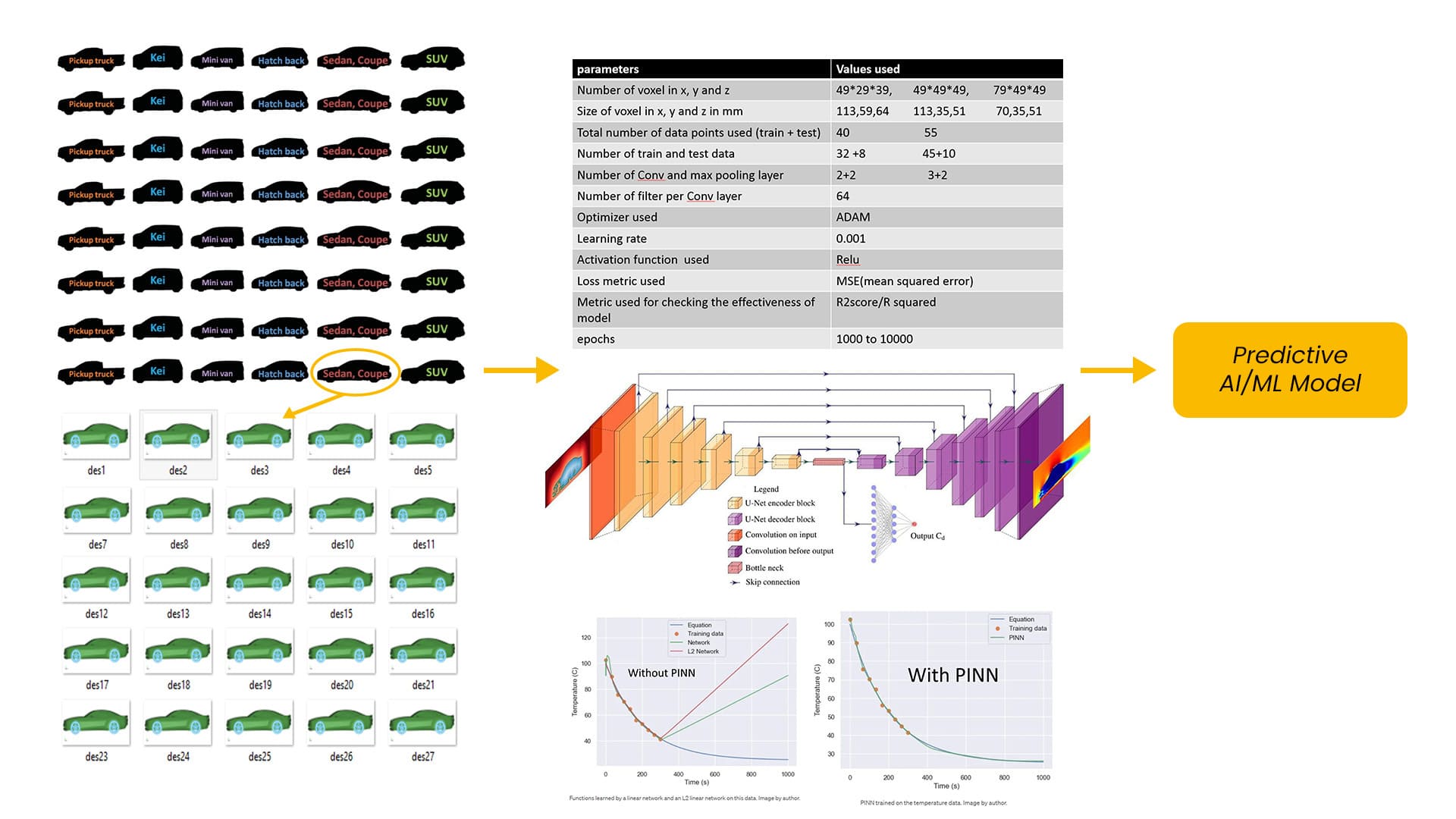
What it does: Builds ML models from historical datasets (crash, NVH, CFD). Supports CNNs, GNNs, physics-informed models. Offers Power User & Developer modes.
Why: Produces continuously-improving, reusable predictive models.
Predictor
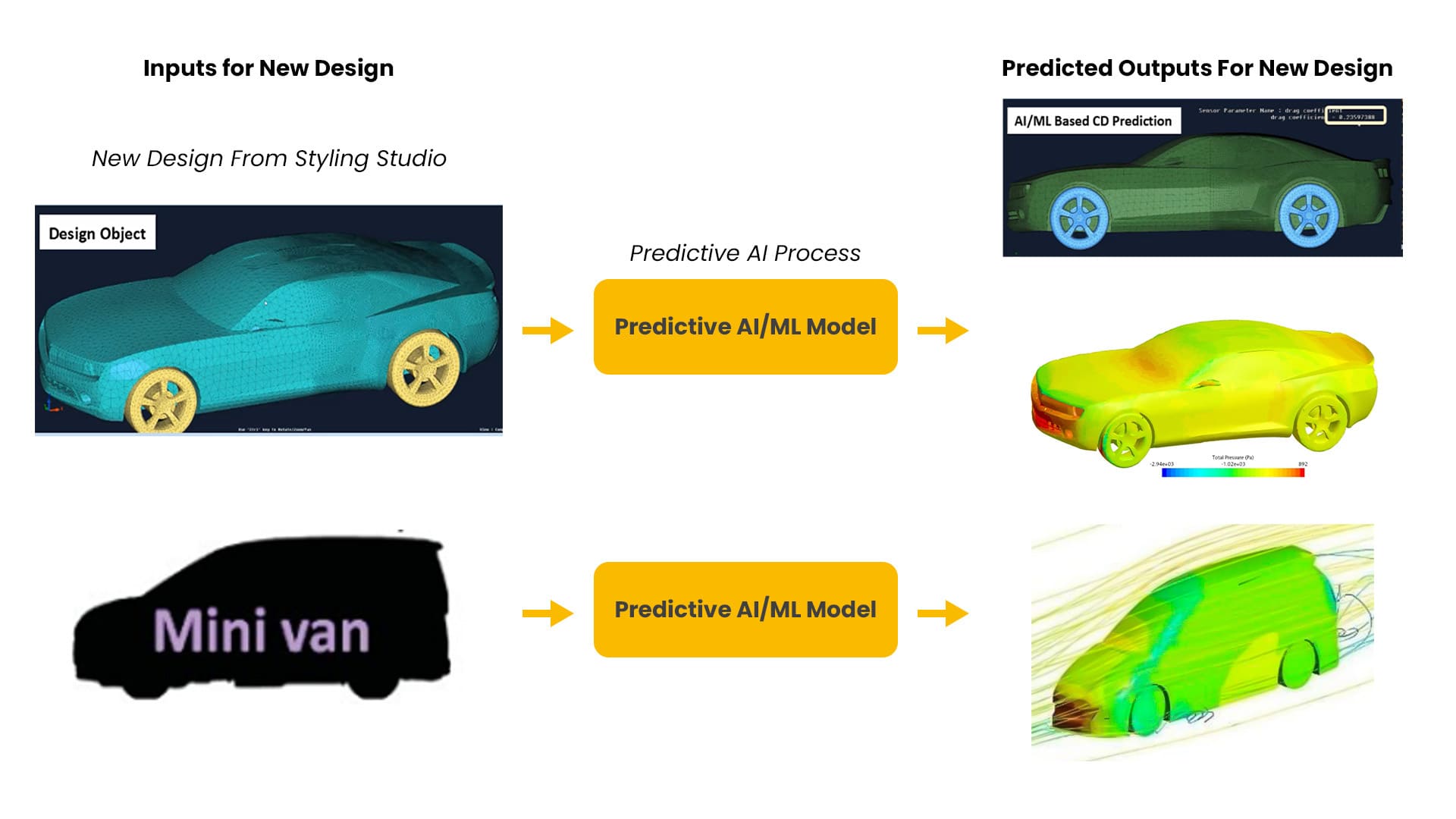
What it does: Applies trained models to produce instant predictions without coding.
Why: Cuts simulation turnaround from hours to seconds.
Auto-Parameterizer
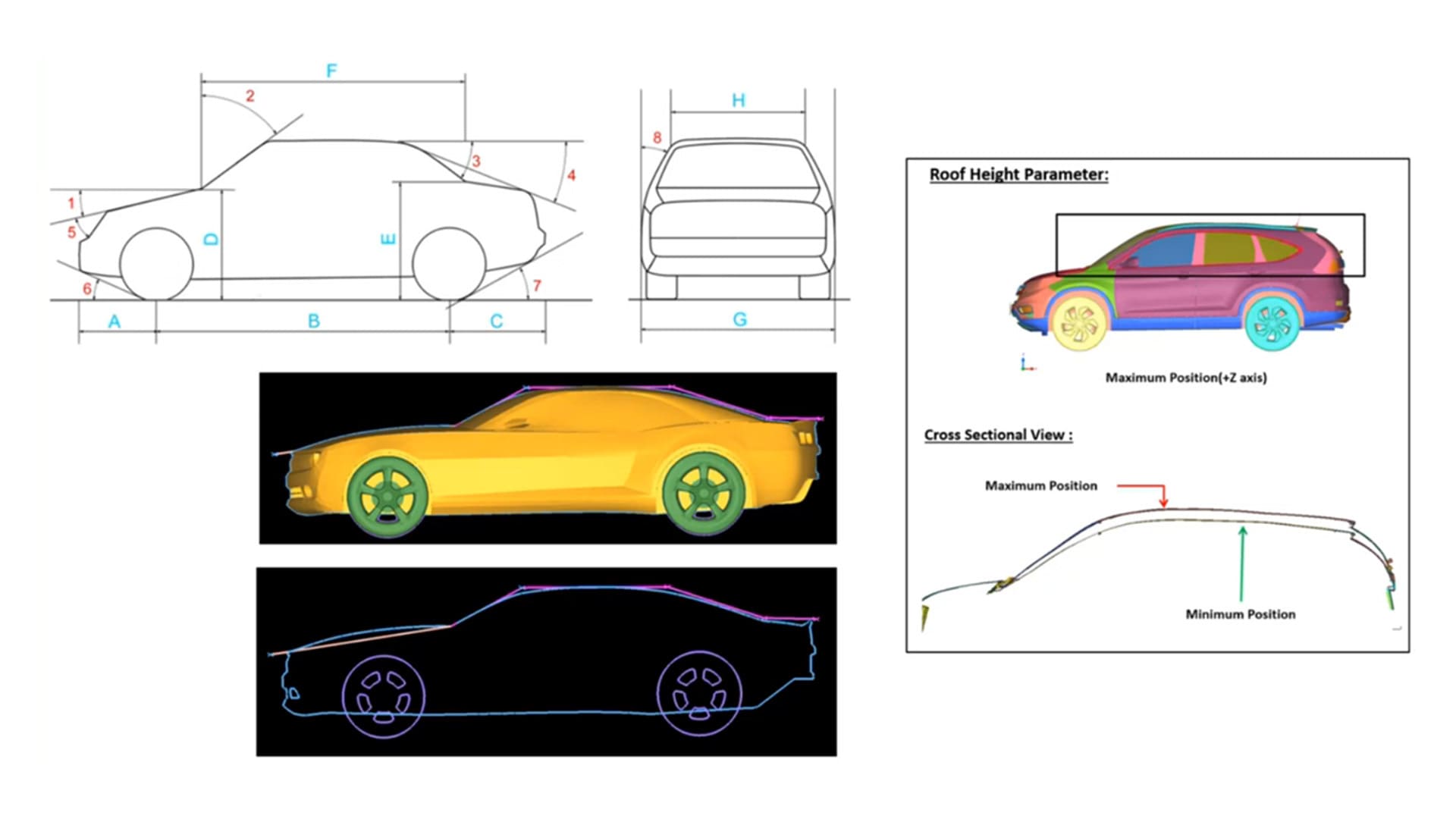
What it does: Automatically identifies key design variables from FE or geometry models.
Why: Speeds concept validation & workflow integration.
Optimizer
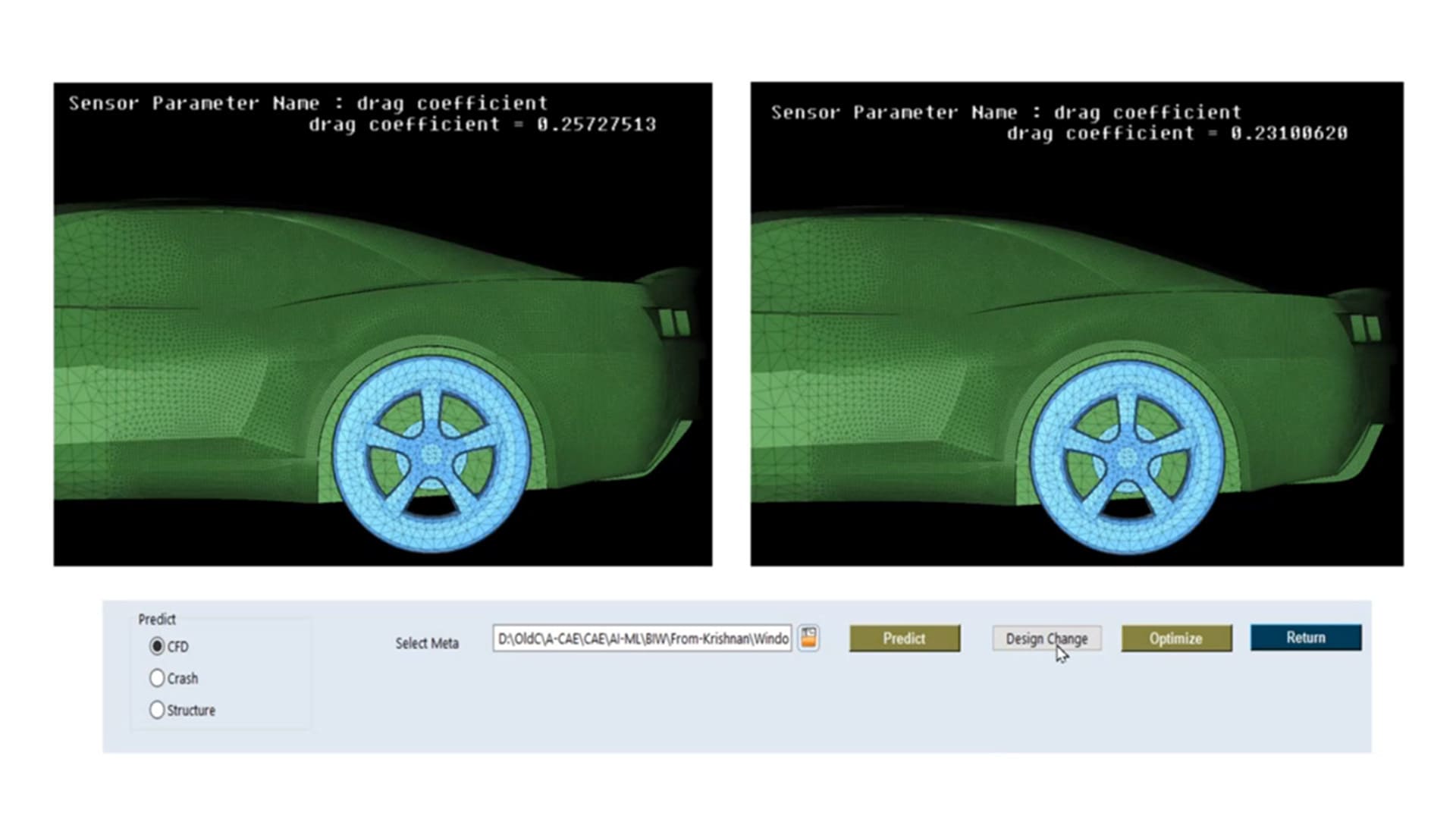
What it does: Using the ML model as a fast solver & design space defined by parameteric setup, it solves for optimal design.
Why: Enables fast convergence to optimal designs.
Generative AI
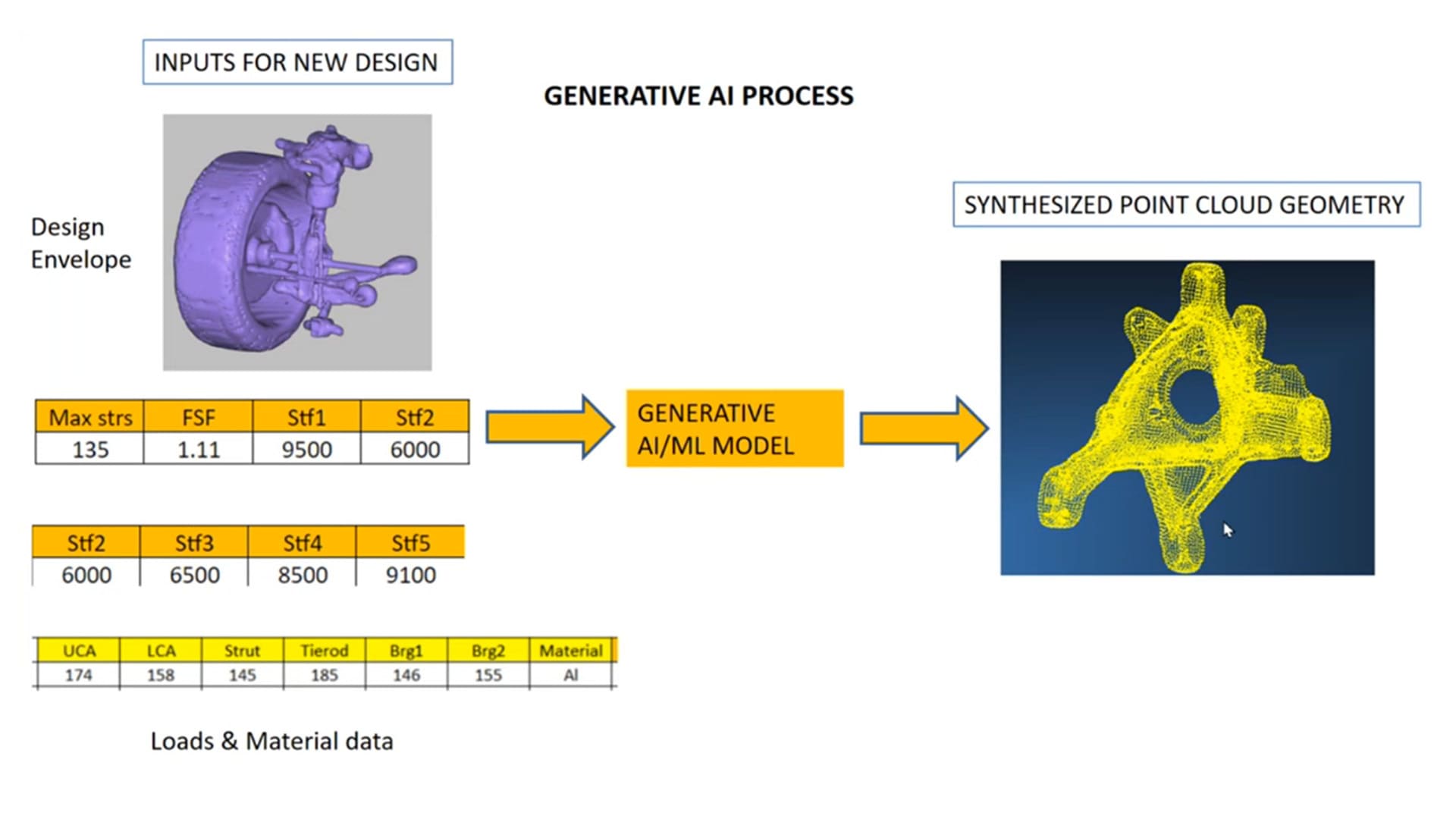
What it does: Generates new design geometries from constraints & goals.
Why: Bridges concept to production-ready CAD.
Data Manager
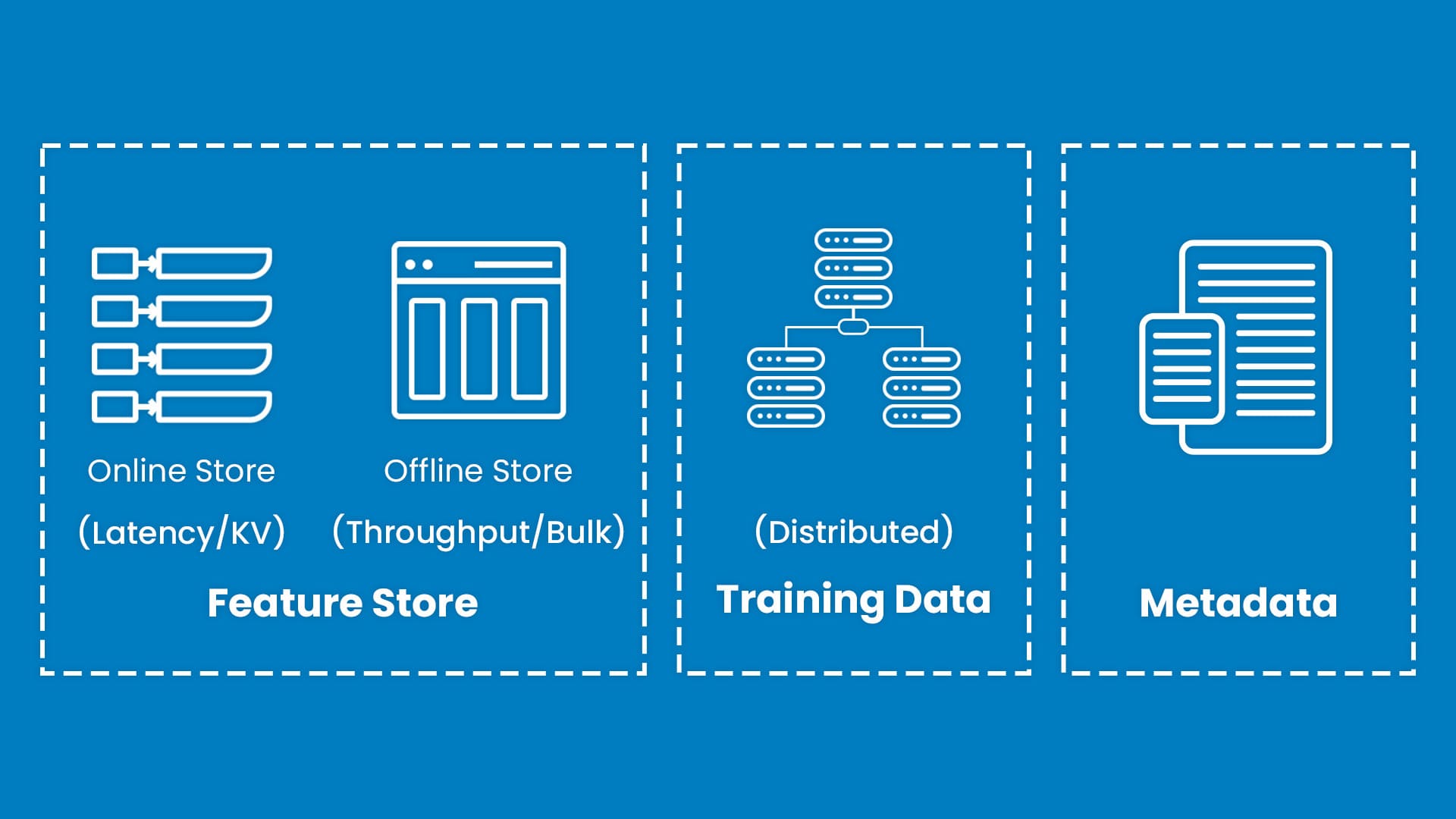
What it does: Central repository for all AI/ML data.
Why: Improves future training and supports MLOps.
MeshWorks AI – Case Studies
'Predictions of CFD Responses with 97% accuracy
DEP’s intelligent prediction platform has extremely high accuracy. Currently, the accuracy of CFD prediction of wind resistance coefficient is in the range of 97%.
Predictions of Structural Response

MW AI predictions of structural responses including fatigue, craswhorthiness and stiffnes performance have provided valuable and immediate design direction
Pre-Trained Architecture for Data
Leverage pre-trained AI/ML architectures to accelerate model development and ensure robust, data-driven insights.