
Crash Analysis
Comprehensive Vehicle Crash Analysis for Safety and Performance Excellence
Advanced solutions forcrashworthydesigns

Crash simulation plays a pivotal role in advancing vehicle safety and durability by virtually analyzing the effects of collisions on structures and occupants. It enables engineers to predict crashworthiness, optimize designs, and enhance occupant protection before physical prototypes are built. By leveraging cutting-edge computational tools, crash simulation accelerates development, reduces costs, and ensures compliance with safety standards.
Crash simulations are utilized across industries such as automotive, aerospace, consumer goods, and medical technology to study and optimize the behavior of structures during collisions. With DEP simulations, we can calculate, analyze, and simulate crash impacts and their effects on durability, including material behavior, structural deformations, joints and fixtures, and other factors in a realistic manner. This ensures that product development meets safety, durability, and industry standards. Key objectives of crash analysis include ensuring driver safety, selecting materials based on strength and durability, minimizing vehicle weight without compromising safety, reducing the cost of physical crash testing, and evaluating frame crashworthiness while identifying design improvements.

Crash / Structural Simulation Analysis
DEP’s Crash/Structural Simulation optimizes vehicle designs by simulating crash scenarios to ensure strength and compliance with safety standards while reducing weight. This helps enhance vehicle crashworthiness and safety.

Component Safety
We conduct a detailed Component Safety analysis to evaluate critical vehicle parts under crash conditions, ensuring they meet safety requirements and perform optimally during impacts to protect both the vehicle and its occupants.

Occupant Safety
DEP’s Occupant Safety simulations focus on protecting passengers in the event of a crash. We assess seatbelts, airbags, and interior designs to ensure maximum safety and compliance with global standards.

Pedestrian Safety
Our Pedestrian Safety analysis aims to minimize injuries in collisions with vulnerable road users. We test components like bumpers and hoods to develop designs that reduce harm in pedestrian accidents.
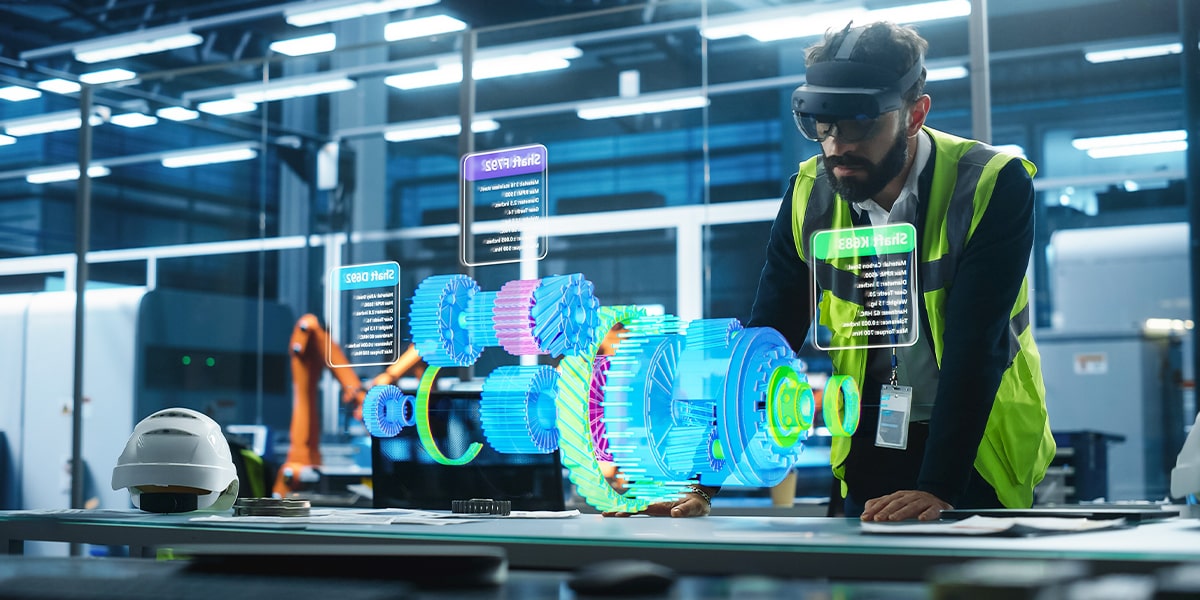
Strength and Fatigue Analysis
We perform Strength and Fatigue Analysis to assess vehicle component durability under repeated stress. This ensures parts withstand long-term use without failure, improving reliability and reducing maintenance costs.

Component Durability
DEP’s Component Durability testing simulates real-world conditions to evaluate the longevity of vehicle parts. We focus on ensuring components remain reliable and resilient throughout their lifecycle, minimizing the risk of failure.


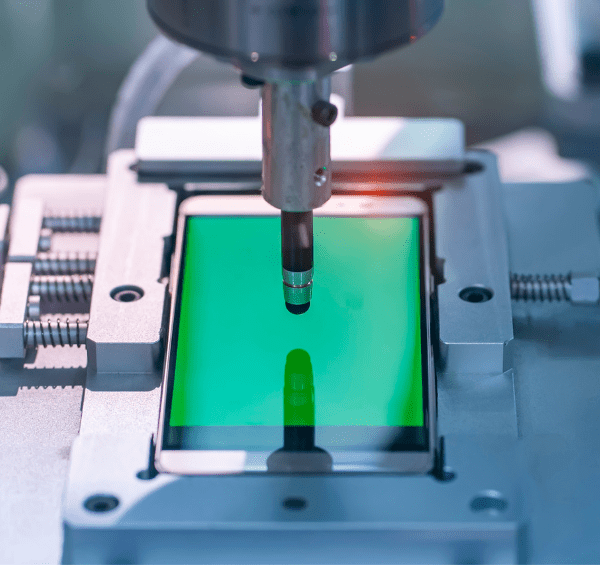

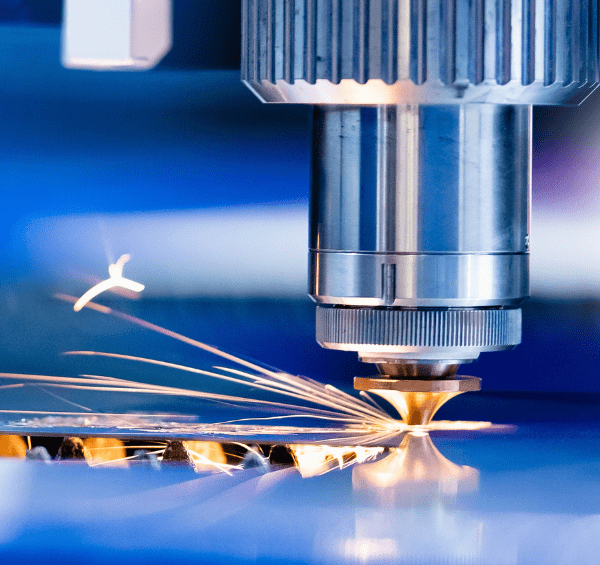
Crash/Structural Simulation Analysis
DEP have an excellent track record of CAE vs. test correlation
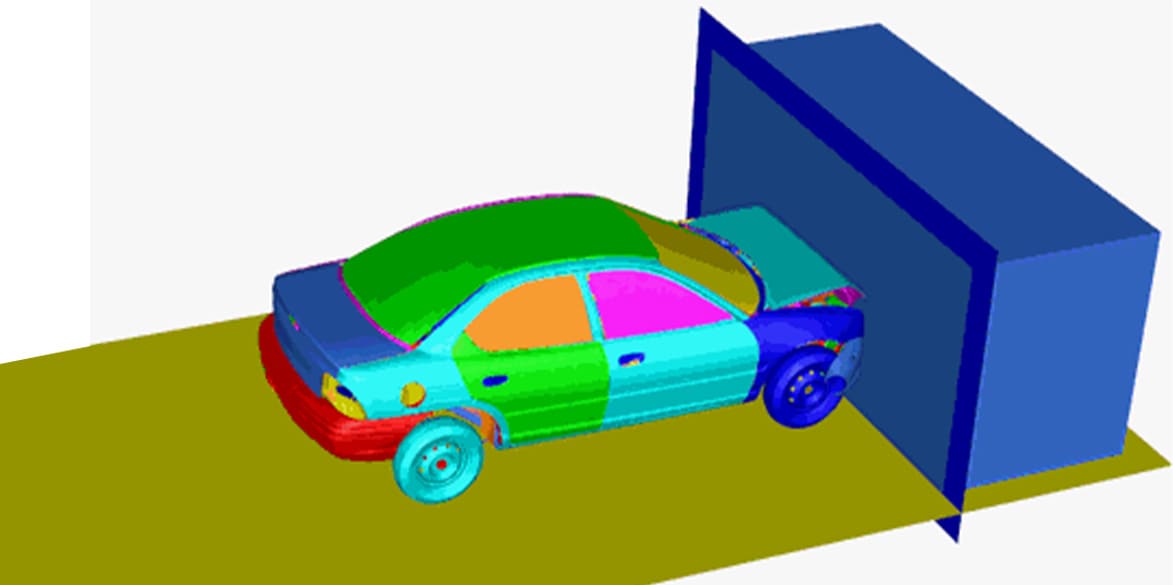
Crash/Structural Simulation Analysis Capabilities
Physics-based simulation of impact, crash, and structural failure events
System, assembly, component, and part-level structural assessments
Compliance evaluation against industry standards and safety regulations
Multi-directional impact, drop, crush, and load-case simulations
Progressive damage, material nonlinearity, and failure prediction
Human safety, injury risk, and protective system performance analysis
Energy absorption and crashworthiness optimization
Safety assessment of critical systems and energy-storing components
Parametric studies and design trade-off evaluations
Engineering reports with clear design recommendations

Components Safety
Safety assessment of mechanical, electrical, and electro-mechanical components
Structural integrity and durability evaluation under operating and extreme conditions
Failure mode identification and risk assessment at component level
Material behavior, degradation, and damage tolerance analysis
Impact, drop, crush, and overload safety simulations
Thermal, vibration, and fatigue-driven safety evaluations
Compliance assessment against applicable industry standards and regulations
Design optimization for safety, reliability, and robustness
Validation support through simulation correlation and test planning
Engineering documentation with actionable safety recommendations
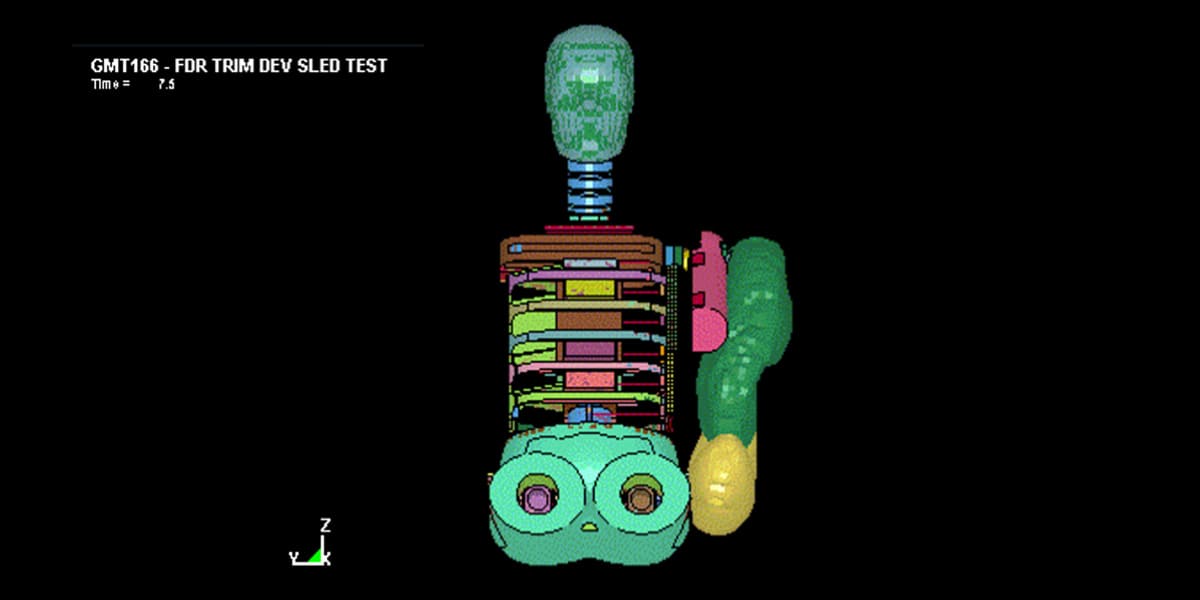
Occupant Safety
Human safety and injury risk assessment under impact and operational load cases
Digital human modeling for posture, motion, and interaction analysis
Evaluation of restraint, protection, and safety systems performance
Biomechanical response and injury criteria assessment
Human–system interaction analysis during normal and extreme events
Multi-physics simulation of occupant response to impact, vibration, and acceleration
Parametric studies to optimize safety system design and placement
Compliance assessment with applicable safety standards and guidelines
Correlation of simulation results with physical testing data
Engineering reports with clear safety-driven design recommendations
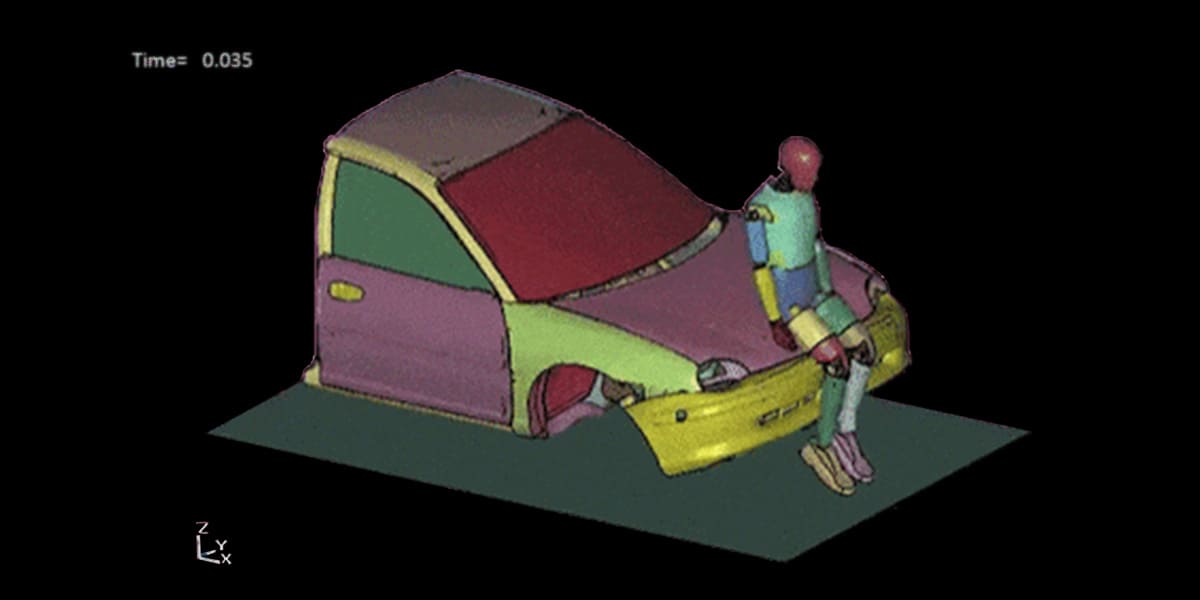
Pedestrian Safety
External human safety assessment for interactions between products, systems, and people
Impact and contact simulation involving vulnerable road users and bystanders
Injury risk evaluation using biomechanical and human body models
Assessment of surface compliance, energy absorption, and contact forces
Optimization of exterior designs to minimize injury severity
Multi-physics analysis of impact, kinematics, and structural response
Evaluation of active and passive safety features for external human protection
Parametric studies to support safety-driven design decisions
Compliance assessment with applicable safety standards and guidelines
Engineering reports with actionable safety improvement recommendations
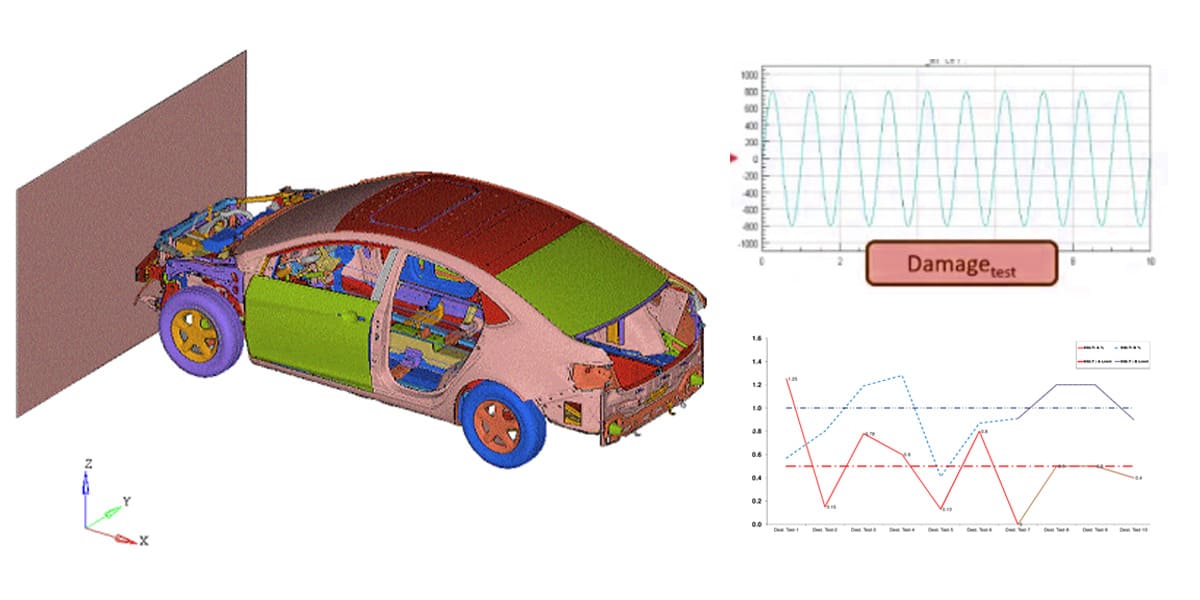
Strength and Fatigue Analysis
Static and dynamic strength assessment of components, assemblies, and systems
Stress, strain, and deformation analysis under operational and extreme load cases
Fatigue life prediction under cyclic, random, and variable amplitude loading
Durability assessment considering material nonlinearity and damage accumulation
Evaluation of joints, welds, fasteners, and interfaces for structural reliability
Vibration- and load-induced fatigue analysis
Material characterization and failure criteria implementation
Design optimization for strength, weight, and durability targets
Correlation of simulation results with physical testing and field data
Engineering documentation with clear design and durability recommendations
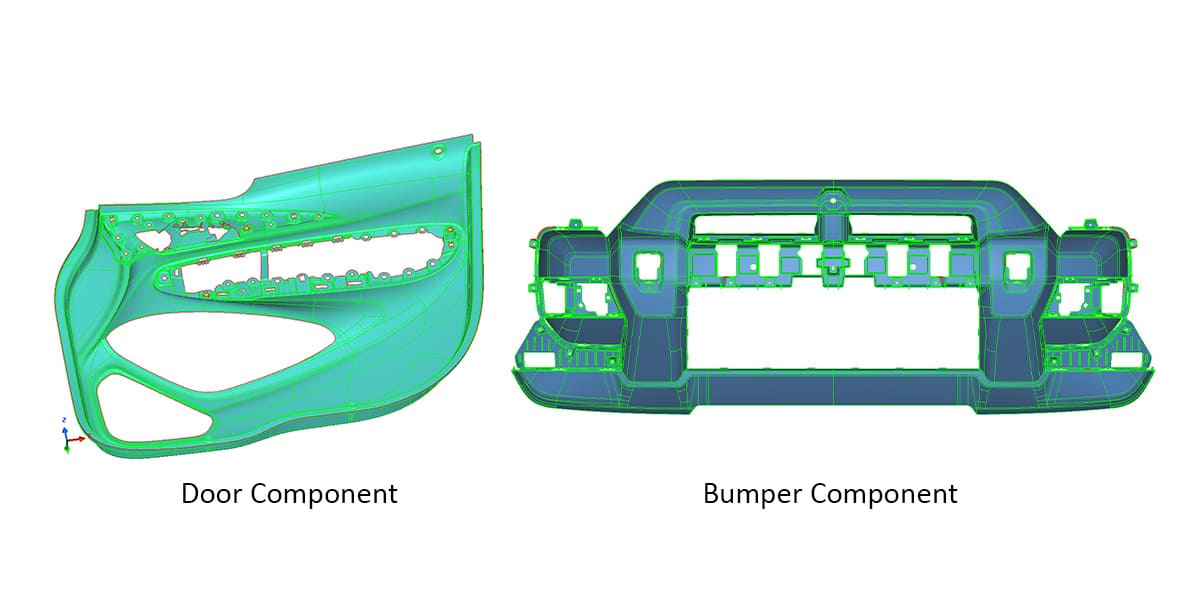
Component Durability
Durability assessment of components under real-world operating and environmental conditions
Life prediction considering cyclic loads, vibration, thermal effects, and aging
Identification of wear, damage accumulation, and degradation mechanisms
Evaluation of joints, interfaces, and fastening systems for long-term reliability
Material behavior assessment, including fatigue, creep, and corrosion effects
Load spectrum development and duty-cycle-based durability analysis
Design optimization to improve component life and robustness
Correlation of simulation results with physical testing and field data
Support for validation planning and durability test definition
Engineering reports with actionable durability and reliability recommendations
DEP Advantages
We provide exceptional CAE Services and our commitment to provide industry leading Crash and durability Analysis to the global clientele has continued to strengthen our reputation, making us the chosen partner for engineering service in the market. We promise you the advantage of:

Quality Service

Advanced Technology

Custom Tailored Solutions

Expert Support

Competitive Rate

Timely Delivery