
Noise, Vibration & Harshness (NVH)
NVH Engineering for Superior vehicle Performance
Achieving Peak Performance with Seamless NVH Solutions

Sound and vibration are inevitable by-products of modern manufacturing, transportation, and communication. NVH (Noise, Vibration, and Harshness) optimization for a full vehicle is a crucial trade-off consideration alongside factors such as cost, emission, and durability.
DEP utilizes a wide array of industry-leading tools and techniques to help quantify and manage NVH levels. We focus on reducing noise and vibration at the source, isolating it from the structure, and controlling it within permissible limits. Our engineers work to design automotive vehicles that absorb maximum noise and vibration before they reach the cabin, enhancing comfort, performance, and durability while providing a competitive edge.

Full Vehicle NVH
DEP provides comprehensive full vehicle NVH analysis to assess and optimize overall noise, vibration, and harshness performance. This includes evaluating vehicle-level interactions and ensuring smooth integration of components to meet performance targets for a quieter, more comfortable ride.

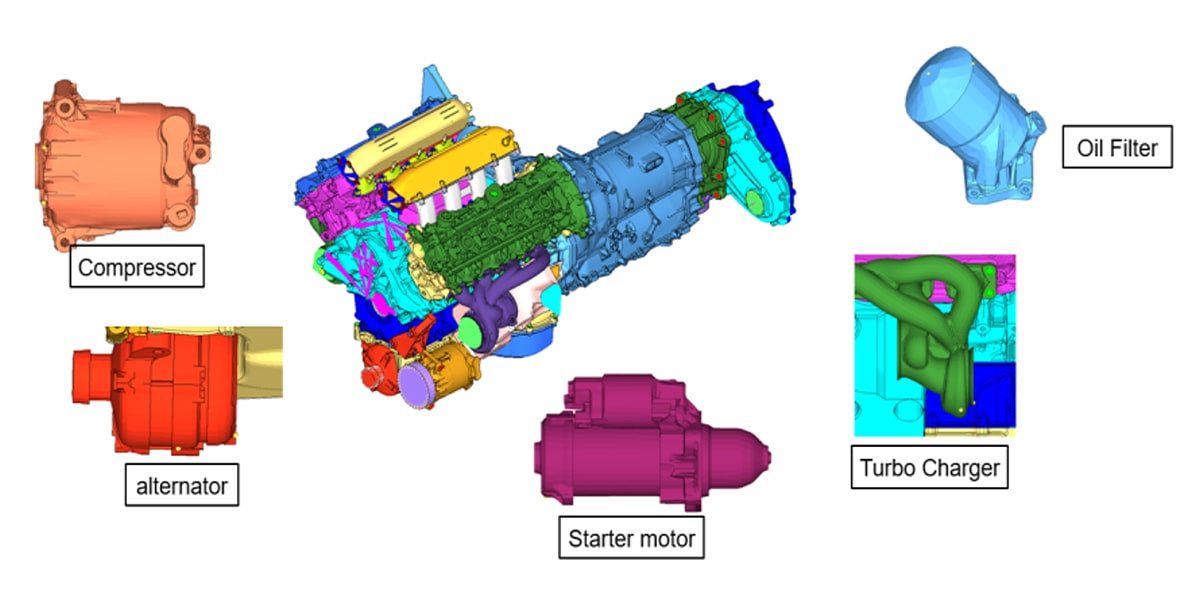
Powertrain-Induced Noise &
Driveline Imbalance
DEP specializes in analyzing powertrain-induced noise and driveline imbalance to reduce vibrations and unwanted sounds. This ensures seamless power delivery and enhanced driving comfort while maintaining system efficiency and reliability.
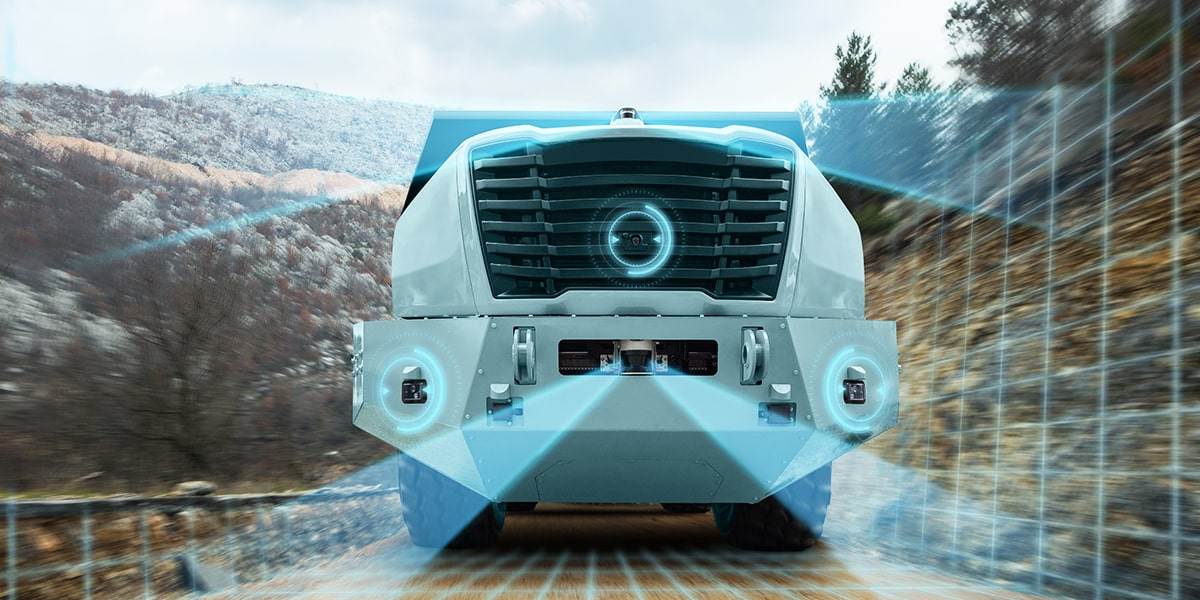
Road-Induced Shake & Noise
Our expertise extends to road-induced shake and noise evaluations, focusing on identifying and mitigating disturbances caused by uneven road surfaces. This ensures improved vehicle stability and passenger comfort during dynamic driving conditions.

System-Level Analysis
DEP conducts system-level NVH analysis to optimize individual subsystems and their integration within the vehicle. This approach ensures each component contributes effectively to the overall NVH performance.

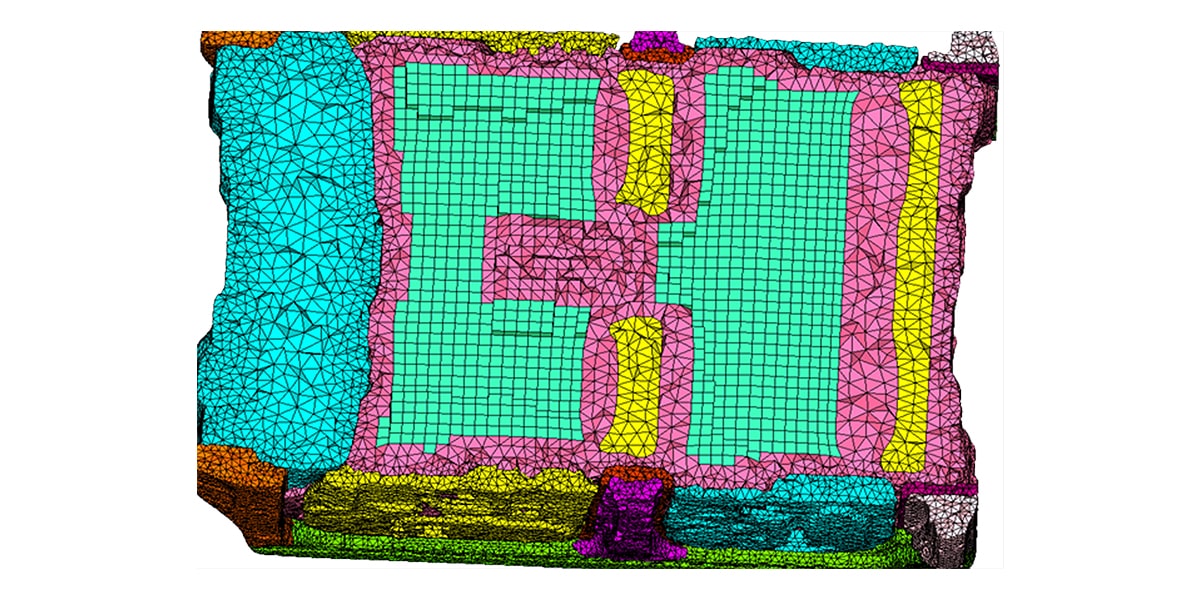
High-Frequency Analysis
For precise noise control, DEP provides high-frequency NVH analysis to address complex acoustic challenges. This enables the development of solutions for high-pitched noises often encountered in advanced vehicle systems.

Morphing Techniques and
Parameterization
DEP employs advanced morphing techniques and parameterization to streamline design modifications and enhance NVH optimization. These methods enable rapid iteration and validation of designs for improved efficiency.

Acoustic Sensitivity Analysis
DEP offers acoustic sensitivity analysis to identify and minimize sound transmission paths in vehicles. This ensures superior noise isolation and refinement, contributing to a quieter and more enjoyable driving experience.





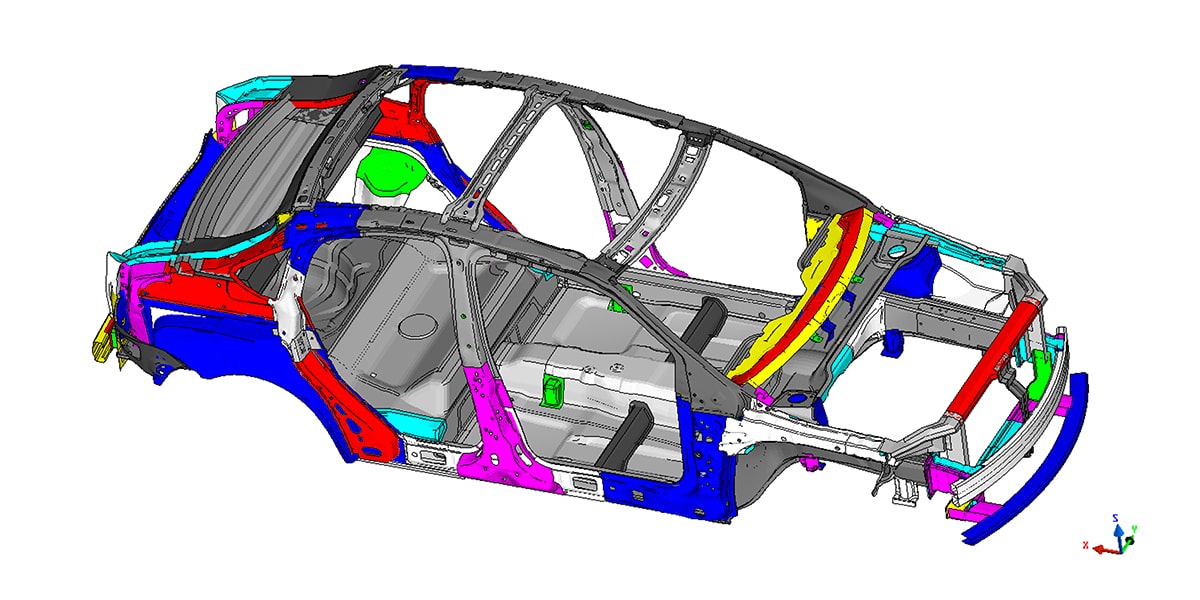
Full vehicle NVH Analysis Capabilities:
Noise, vibration, and harshness (NVH) assessment at system and assembly levels
Structural, acoustic, and vibro-acoustic simulation across operating conditions
Modal, frequency response, and transient vibration analysis
Identification and mitigation of noise and vibration sources and transfer paths
Evaluation of structural stiffness, damping, and isolation performance
Airborne and structure-borne noise analysis
Integration of multi-domain models for holistic NVH evaluation
Parametric studies and design optimization for NVH performance
Correlation of simulation results with test and measurement data
Engineering reports with clear NVH improvement recommendations
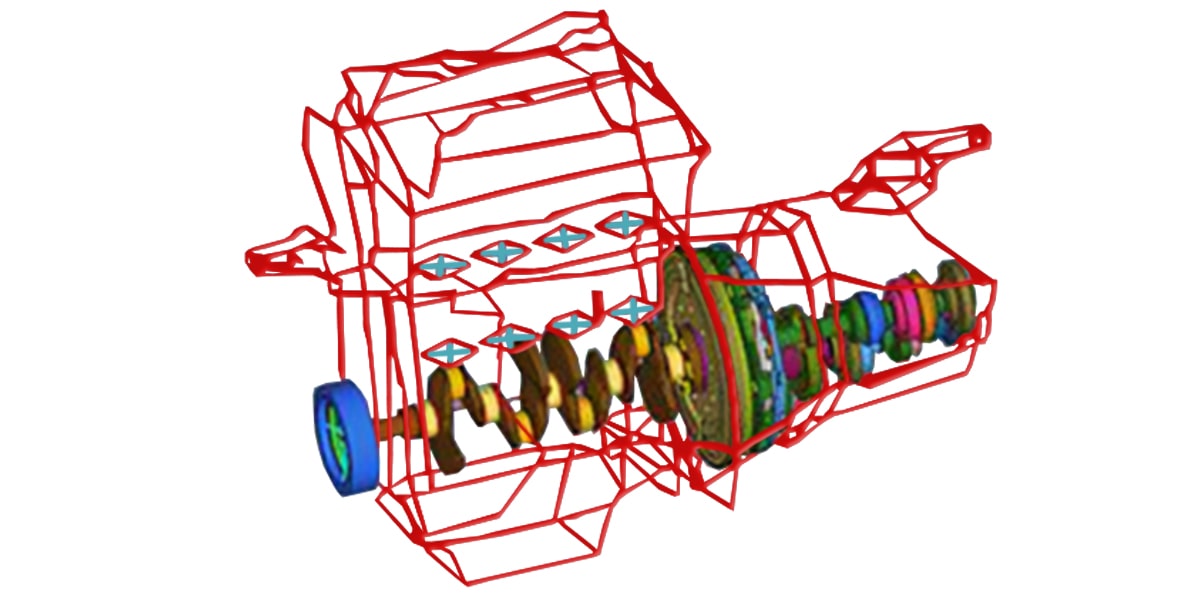
Powertrain-Induced Noise:
Analysis of noise and vibration generated by power-generating and power-transmission systems
Source identification of tonal, broadband, and transient noise mechanisms
Structural and airborne noise propagation and transfer path analysis
Electromagnetic, mechanical, and fluid-induced excitation assessment
Coupled structural, acoustic, and vibro-acoustic simulations
Evaluation of mounts, isolators, housings, and enclosures for noise control
Frequency-domain and time-domain noise characterization
Design optimization to reduce noise, vibration, and resonance effects
Correlation of simulation results with acoustic and vibration measurements
Engineering reports with actionable noise mitigation recommendations
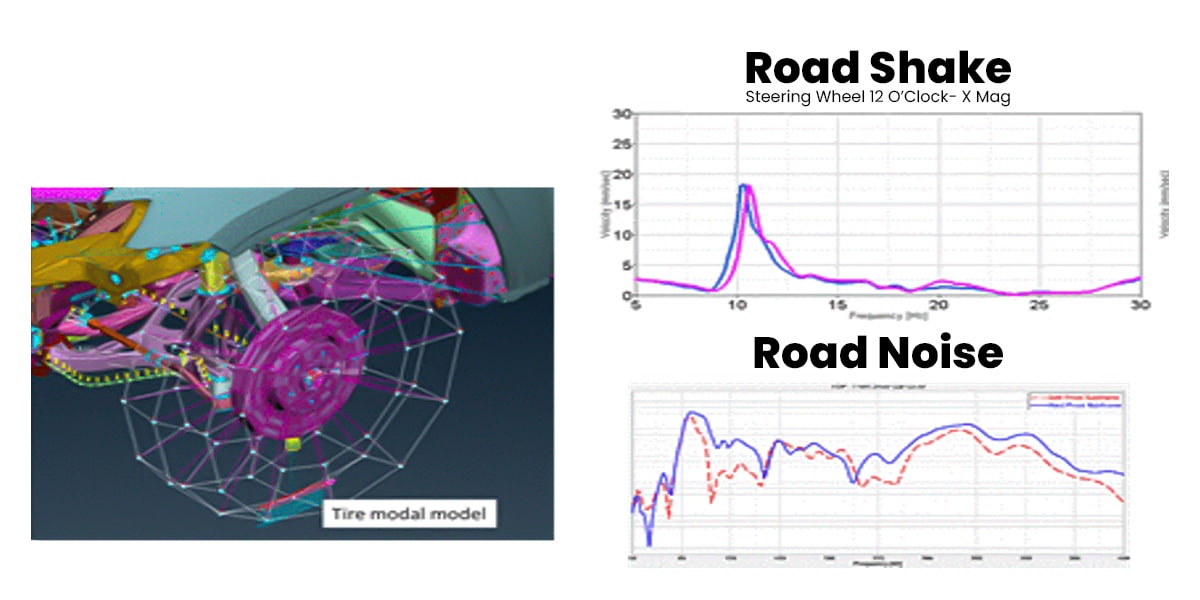
Road-Induced Noise:
Analysis of noise and vibration caused by surface interaction and external excitation inputs
Structural and vibro-acoustic response evaluation under dynamic contact conditions
Identification of noise sources, transfer paths, and resonance phenomena
Assessment of structure-borne and airborne noise transmission
Coupled multi-physics simulation of excitation, structural response, and acoustics
Evaluation of isolation, damping, and absorption strategies
Frequency- and time-domain noise characterization
Design optimization to reduce surface-induced noise and vibration
Correlation with physical testing and measurement data
Engineering reports with clear noise mitigation recommendations

System Level Analysis capabilities:
Integrated analysis of complete systems and assemblies across operating scenarios
Multi-domain simulation covering structural, thermal, fluid, electrical, and controls interactions
Load-path, energy-flow, and functional performance assessment at system level
Evaluation of system behavior under normal, transient, and extreme conditions
Identification of system-level constraints, sensitivities, and trade-offs
Parametric and what-if studies to support early design decisions
Model integration across subsystems and interfaces
Performance, safety, durability, and reliability assessment at system scale
Correlation of system simulations with test and operational data
High Frequency Analysis:
High-frequency structural, acoustic, and vibro-acoustic simulation
Evaluation of noise, vibration, and dynamic response in mid- to high-frequency ranges
Identification of resonance, modal density, and wave propagation effects
Analysis of structure-borne and airborne noise at high frequencies
Assessment of damping, isolation, and absorption performance
Coupled multi-physics modeling for high-frequency excitation mechanisms
Design optimization for high-frequency noise and vibration control
Correlation of simulation results with high-frequency test measurements
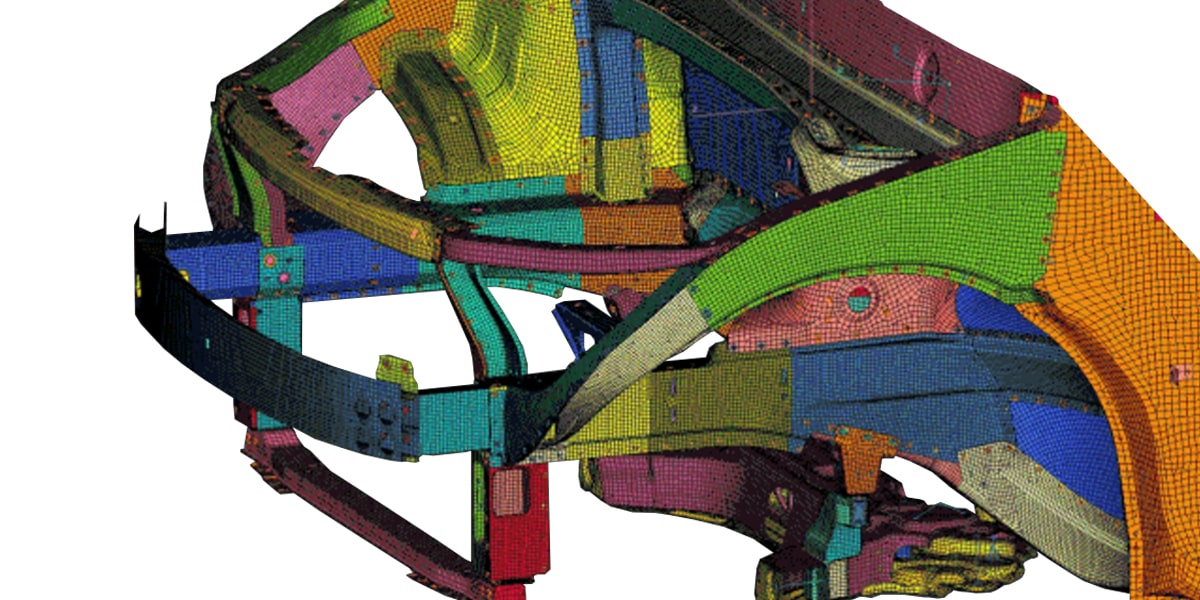
Morphing Techniques and parameterization:
Advanced morphing for optimized NVH design.
Parameter studies for noise and vibration impact.
Seamless CAE integration for efficient validation.
Acoustic Sensitivity Analysis:
Sensitivity assessment of acoustic performance to design, material, and operating parameters
Identification of dominant contributors to noise radiation and sound transmission
Evaluation of structural–acoustic coupling effects
Frequency-domain analysis of sound pressure level variations
Parametric studies to quantify the impact of geometry, stiffness, damping, and mass changes
Transfer path and source–receiver sensitivity evaluation
Support for noise reduction and acoustic performance optimization
Integration with vibro-acoustic and multi-physics simulation workflows
Correlation of sensitivity results with experimental acoustic data
DEP Advantages
We provide exceptional CAE Services and our commitment to provide industry leading NVH Analysis to the global clientele has continued to strengthen our reputation, making us the chosen partner for engineering service in the market. We promise you the advantage of:

Quality Service

Expert Support

Custom Tailored Solutions

Advanced Technology

Timely Delivery

Competitive Rate