
Energy Management
Optimizing Energy Efficiency through Advanced Engineering Solutions
Precision.Performance.Sustainability

Efficient energy management is at the core of modern engineering, ensuring optimal performance, sustainability, and reduced environmental impact. Techniques like Computational Fluid Dynamics (CFD), Conjugate Heat Transfer (CHT), and Aerodynamics play pivotal roles in analyzing and enhancing energy efficiency. These advanced methodologies enable precise simulations, helping industries predict performance, optimize designs, and minimize energy losses across diverse applications.
We specialize in delivering cutting-edge energy management solutions through CFD, CHT, and Aerodynamics. Our expertise enables clients to achieve superior design optimization, improved thermal management, and streamlined aerodynamic performance. Leveraging state-of-the-art tools and our proprietary MeshWorks platform, DEP provides customized solutions to meet unique engineering challenges, ensuring energy-efficient, high-performing systems across industries.

3D CFD Simulations
DEP utilizes 3D CFD simulations to provide precise analysis of fluid dynamics, enabling accurate predictions of flow behavior, heat transfer, and overall system performance. These simulations play a key role in optimizing designs across various industries.
1D CFD Simulations
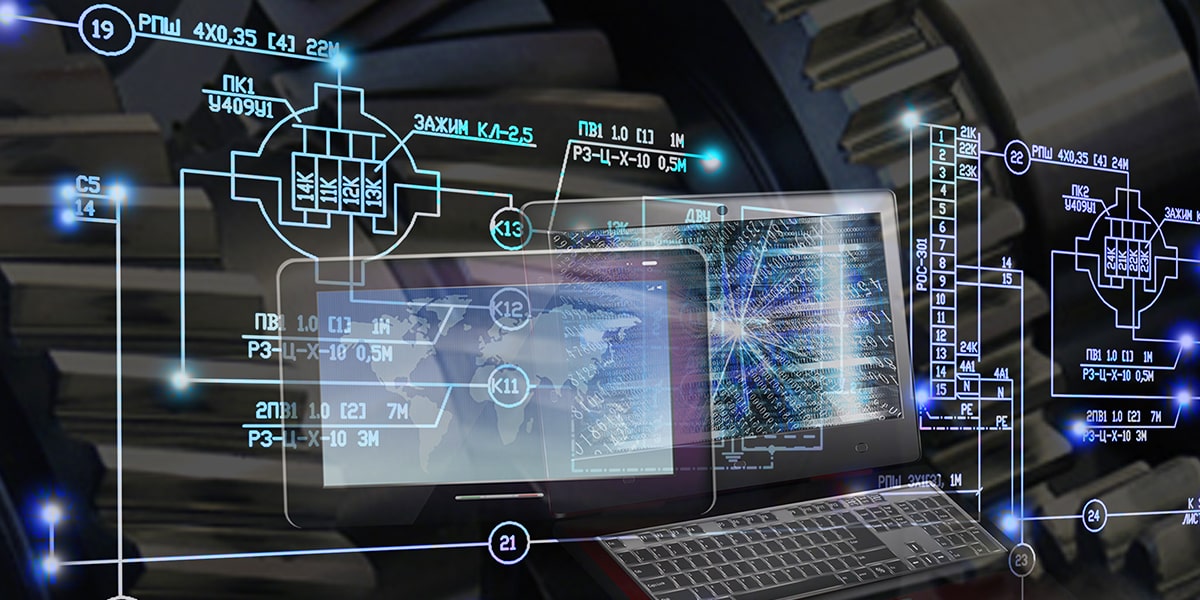
DEP offers 1D CFD simulations for efficient system-level analysis, delivering quick insights into fluid flow and thermal behaviors in complex systems. This approach accelerates design iterations and ensures performance optimization.

Intake & Exhaust Systems
DEP supports the enhancement of intake and exhaust manifold designs to improve volumetric efficiency and resolve back pressure challenges. Our solutions ensure better engine breathing and performance.

Thermal Management
DEP provides comprehensive solutions for under-hood thermal management and exhaust heat protection. We predict airflow around heat exchangers and analyze critical component temperatures under high load conditions to optimize performance and reliability.
Combustion System
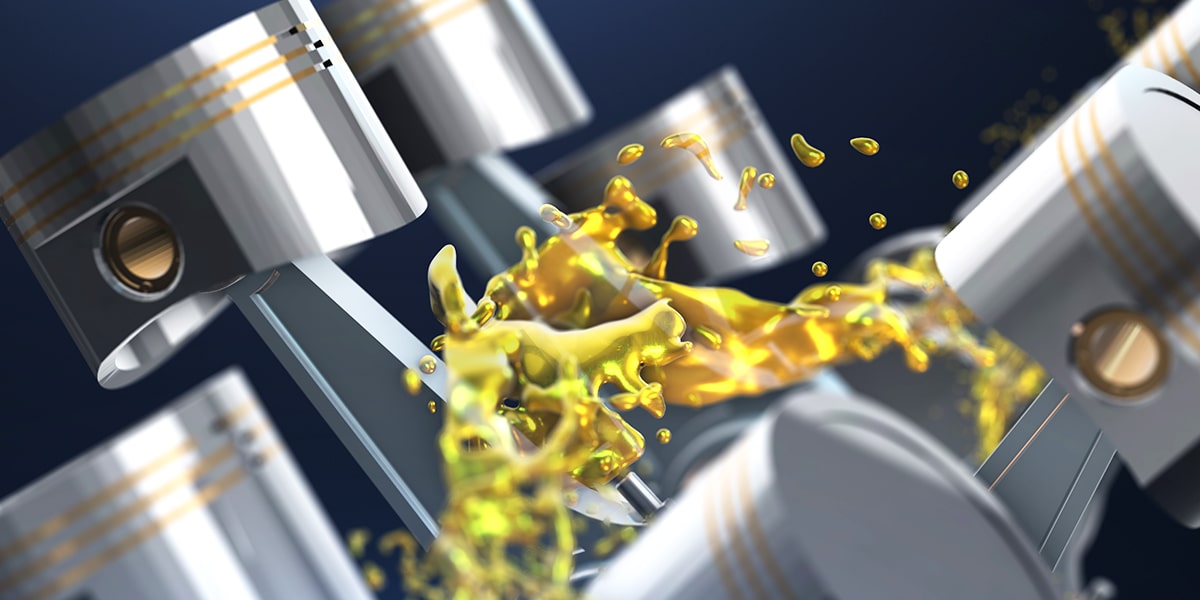
DEP delivers advanced combustion solutions to accurately predict spray, turbulence, and emissions characteristics. Our expertise provides deep insights into injection, vaporization, and complex combustion chemistry to enhance engine performance and efficiency.

Aerodynamics
DEP specializes in optimizing aerodynamic characteristics to improve performance and fuel efficiency. We focus on balancing lift-to-drag ratios and achieving overall performance optimization while considering size constraints.
Conjugate Heat Transfer (CHT)
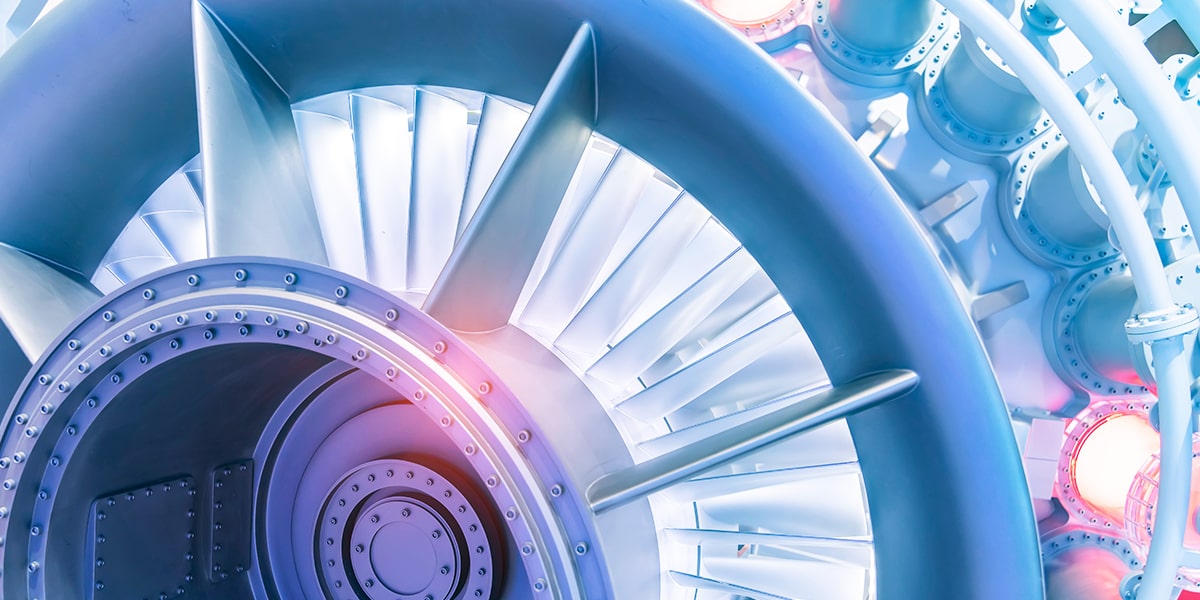
DEP has extensive experience in engine CHT analysis, helping improve water jacket cooling performance and extending engine life. Our expertise extends to motor and battery CHT analysis, delivering optimized designs for high-voltage components and systems.








3D CFD simulation:
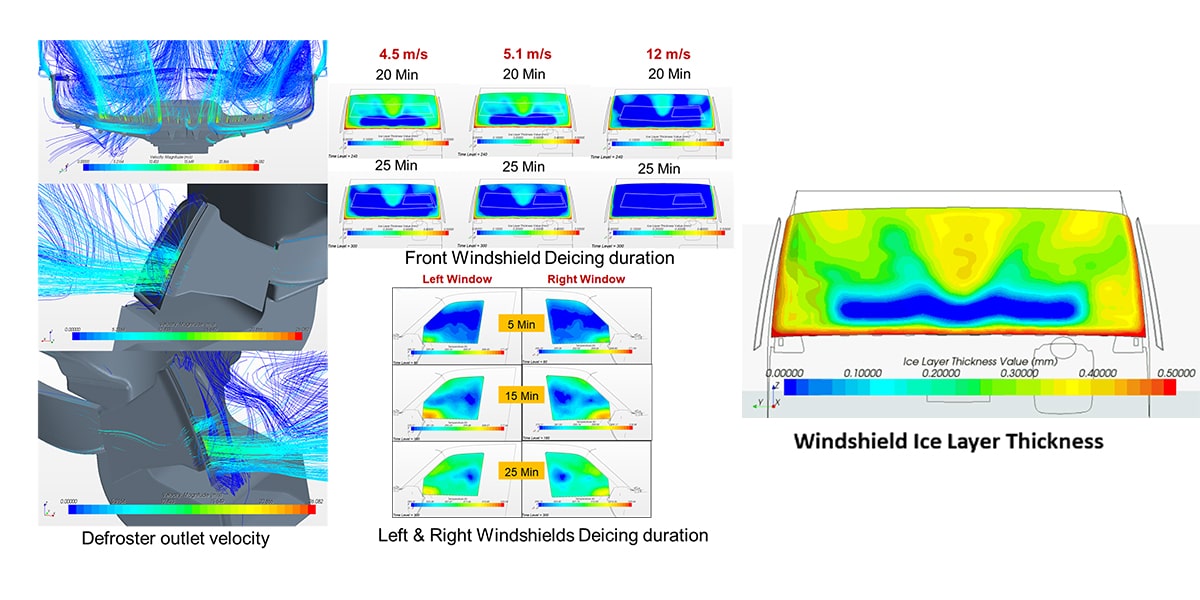
Three-dimensional fluid flow and heat transfer simulation across operating conditions
Analysis of internal and external flows for performance, efficiency, and safety evaluation
Turbulence, transient, and multiphase flow modeling
Conjugate heat transfer and thermal-fluid interaction analysis
Pressure drop, flow distribution, and thermal performance assessment
Simulation of cooling, ventilation, and thermal management systems
Parametric studies and design optimization using CFD-driven insights
Integration with structural and system-level simulations
Validation and correlation with experimental and field data
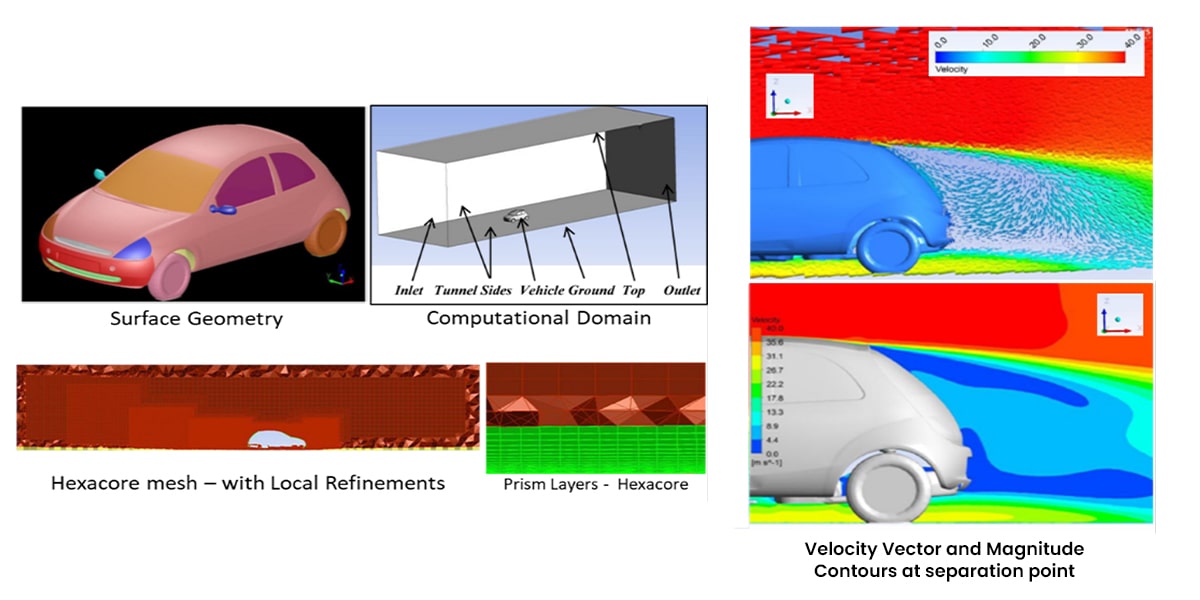
1D CFD simulation:
One-dimensional fluid flow and thermal system modeling for fast performance evaluation
Simulation of complex fluid networks including pipes, ducts, channels, and components
Pressure, flow rate, and temperature distribution analysis across operating scenarios
Transient and steady-state system behavior prediction
Coupling of fluid, thermal, and control system models
Parametric studies for rapid design iteration and what-if analysis
Early-stage architecture evaluation and system sizing support
Integration with 3D CFD and multi-physics simulations
Model correlation with test data and reduced-order models
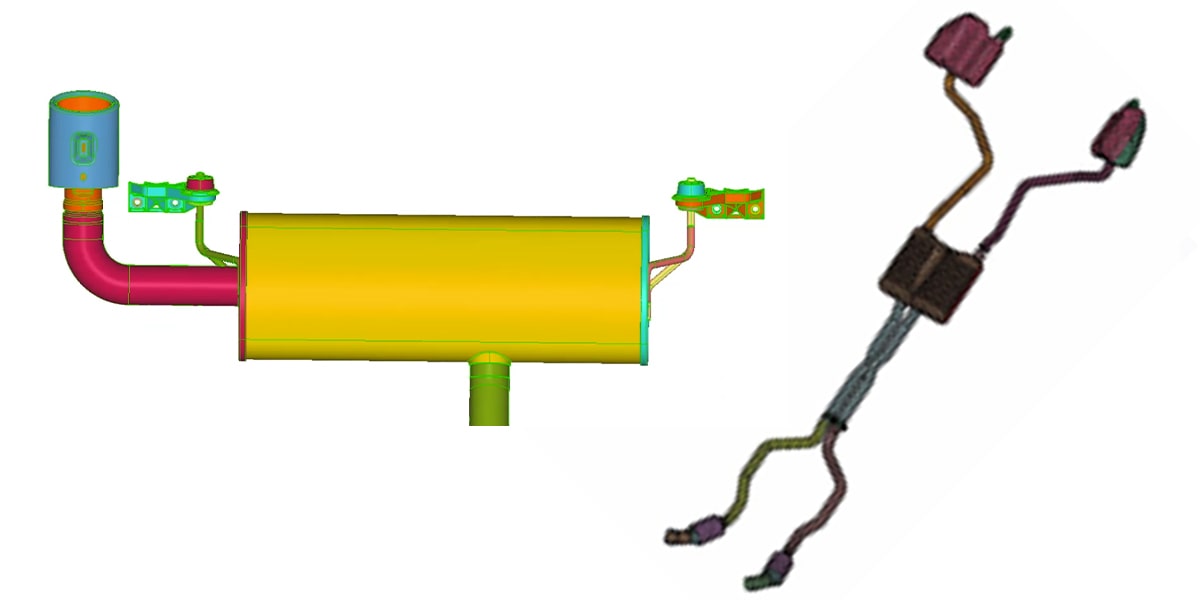
Intake & exhaust systems:
Fluid flow and pressure analysis for air, gas, and ventilation systems
Performance evaluation of ducts, manifolds, plenums, silencers, and flow devices
Transient flow, pulsation, and pressure fluctuation analysis
Thermal and conjugate heat transfer assessment
Acoustic and vibro-acoustic analysis of flow-induced noise
Backpressure, flow distribution, and efficiency optimization
Structural and thermal durability evaluation of system components
Coupled 1D, 3D CFD, and system-level simulations
Parametric studies for rapid design iteration and trade-off analysis
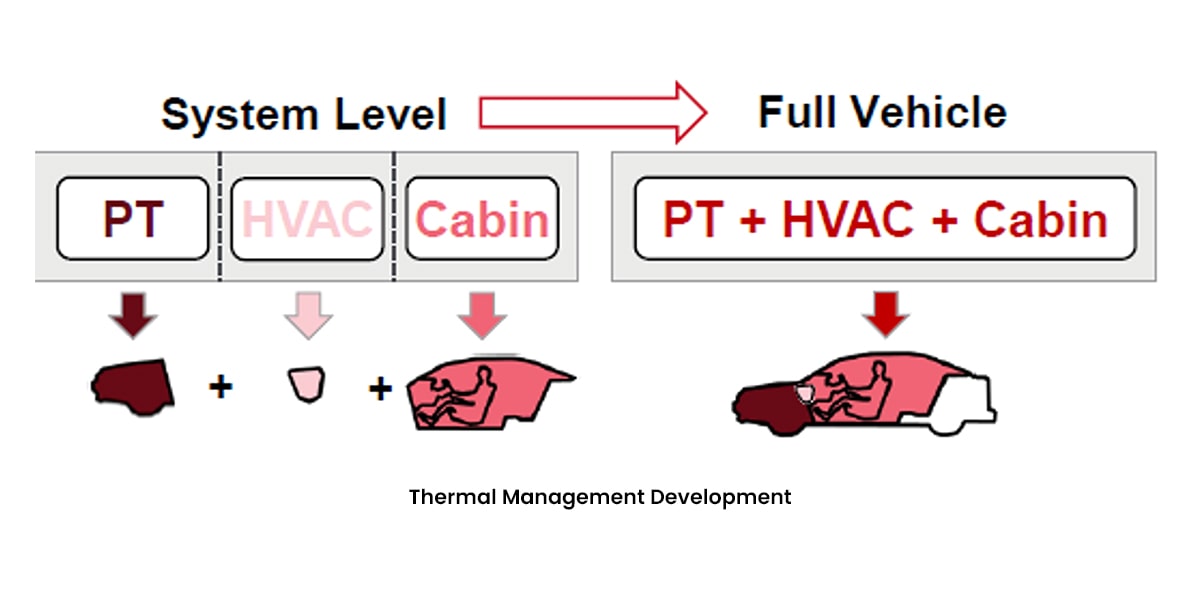
Thermal management:
Thermal performance assessment of components, assemblies, and complete systems
Heat transfer analysis including conduction, convection, and radiation
Steady-state and transient thermal simulation under real operating conditions
Cooling and heating system design and optimization
Conjugate heat transfer using coupled CFD and structural models
Thermal behavior evaluation of materials, interfaces, and enclosures
Temperature uniformity, hot-spot identification, and thermal risk assessment
Integration of thermal models with electrical, fluid, and control systems
Parametric studies and trade-off analysis for thermal efficiency and reliability
Engineering reports with actionable thermal optimization recommendations
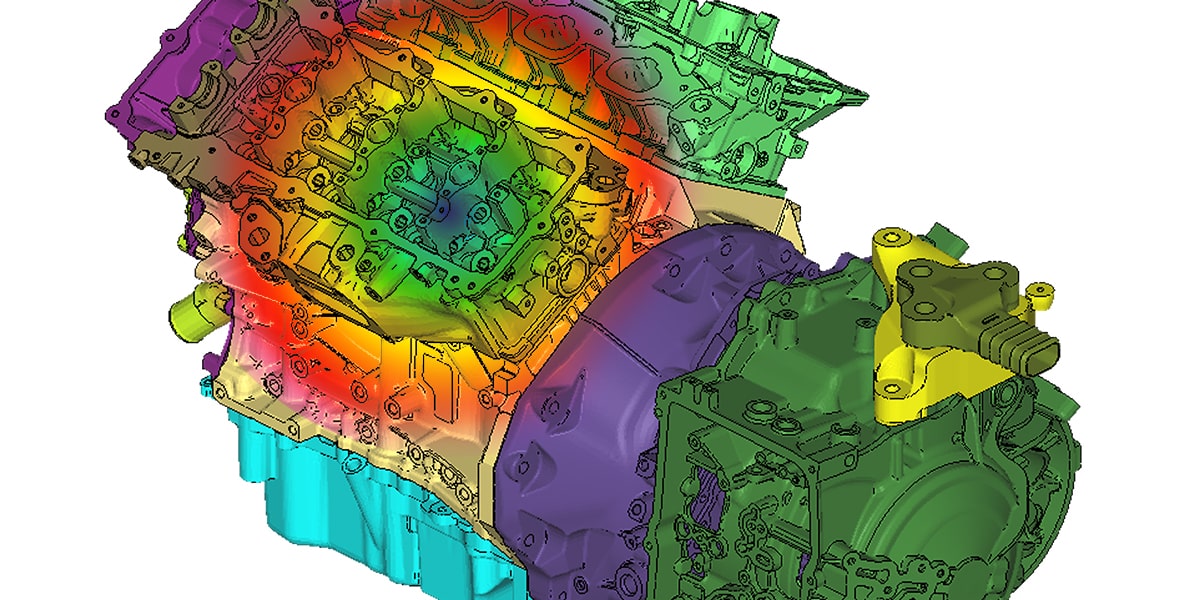
Combustion System:
Concept-to-detailed combustion system modeling for engines, burners, and energy systems
Intake, in-cylinder, and exhaust flow analysis for optimized air–fuel mixing
Combustion chamber design and geometry optimization
1D/3D CFD-based combustion simulation and performance prediction
Heat release, flame propagation, and ignition system analysis
Emissions prediction and reduction (NOx, soot, HC, CO)
Thermal loading and heat transfer analysis of combustion components
Fuel injection, spray, and atomization modeling
Multi-fuel and alternative fuel combustion studies (gasoline, diesel, gas, hydrogen, biofuels)
Combustion stability, knock, misfire, and cyclic variation assessment
Parametric studies and design optimization using simulation-driven approaches
Model validation and correlation with experimental and test data
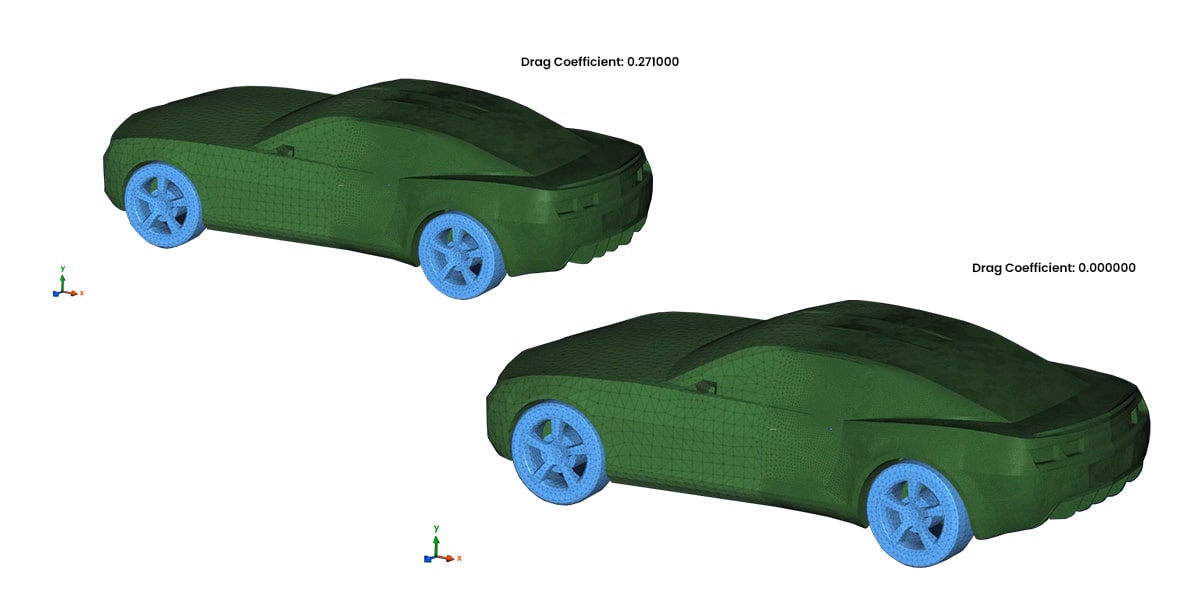
Aerodynamics:
Detailed aerodynamic modeling for vehicles, components, and systems
External and internal flow simulations using 3D CFD
Drag, lift, and pressure distribution analysis
Aero performance optimization for efficiency, stability, and cooling
Wind tunnel correlation and simulation-to-test validation
Transient and steady-state aerodynamic studies
Aero-acoustics and flow-induced noise assessment
Thermal–aero coupling for heat transfer and cooling effectiveness
Parametric studies and design space exploration
Shape morphing and geometry optimization for aerodynamic efficiency
Multi-disciplinary optimization integrating aerodynamics with structures and thermal domains
Performance benchmarking across operating conditions and duty cycles
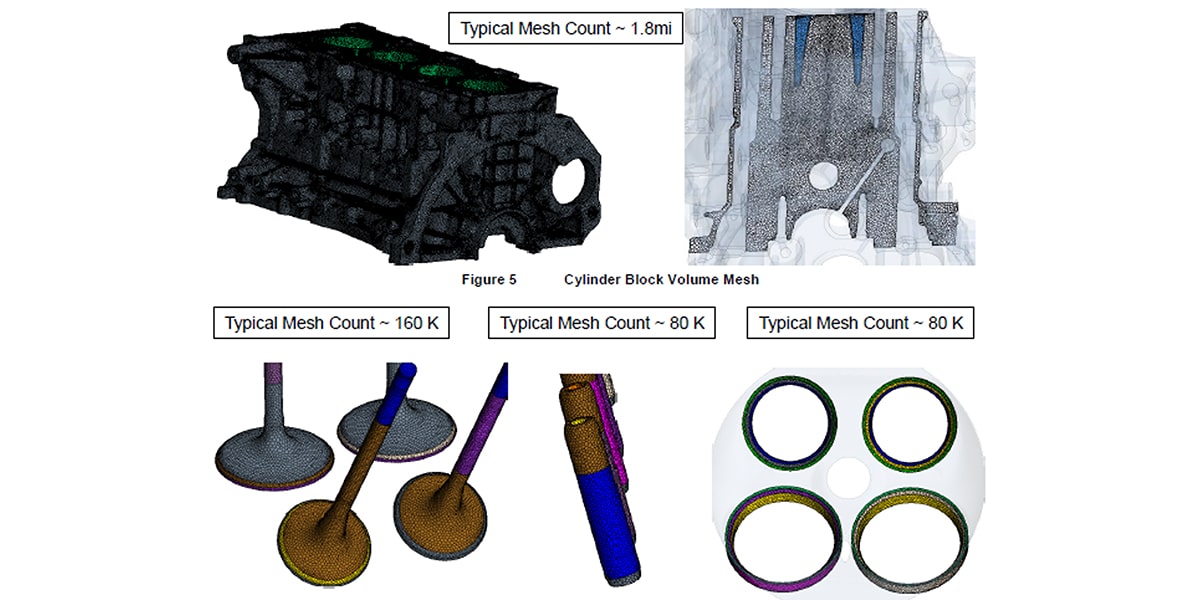
CHT:
Integrated fluid–solid heat transfer analysis capturing real operating conditions
Steady-state and transient CHT simulations for start-up, shutdown, and extreme scenarios
High-fidelity 3D CFD thermal modeling including conduction, convection, and radiation
Electronics and power electronics cooling (PCBs, enclosures, inverters, motors, battery systems)
Thermal management design for heat exchangers, cold plates, heat sinks, and cooling channels
Multi-material and complex interface thermal modeling
Thermal performance evaluation under coupled flow and temperature fields
Parametric studies and design optimization for improved thermal efficiency
Input for thermal stress, durability, and reliability assessments
Model validation and correlation with experimental and test data
Applicable across automotive & EV, aerospace, industrial equipment, energy, electronics, and consumer products
DEP Advantages
We deliver exceptional CAE services, driven by our unwavering commitment to providing industry-leading energy management solutions to a global clientele. This dedication has solidified our reputation as a trusted partner for engineering services in the market. Partner with us to benefit from:

Quality Service

Expert Support

Custom Tailored Solutions

Advanced Technology

Timely Delivery

Competitive Rate