Maximizing e-Powertrain Efficiency: From Battery Systems to Drive Units
Powering the Future, Electrifying Mobility
Accelerating Innovation in e-Powertrain Systems
The global push toward cleaner mobility and reduced dependency on fossil fuels is driving a fast-paced transformation in the automotive industry. As electric and hybrid vehicles become mainstream, engineering teams are confronted with the growing complexity of integrating electrical systems within tight development cycles. From structural integrity to thermal management and electromagnetic performance, the design space has become vast and intricate. Simulation has emerged as a critical enabler in overcoming these challenges. DEP offers advanced modeling capabilities that streamline the development of EV/HEV powertrains, delivering optimized performance, improved efficiency, and reduced time to market.
Focus Area
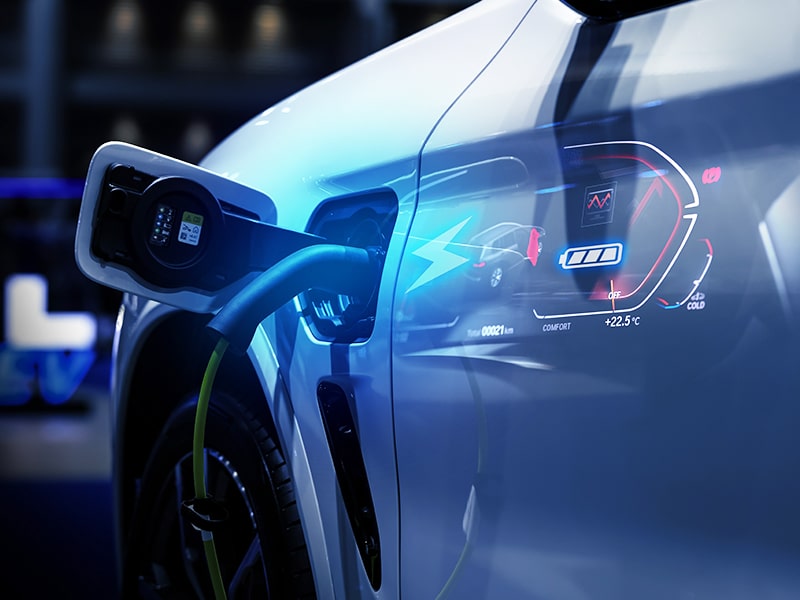
Battery System
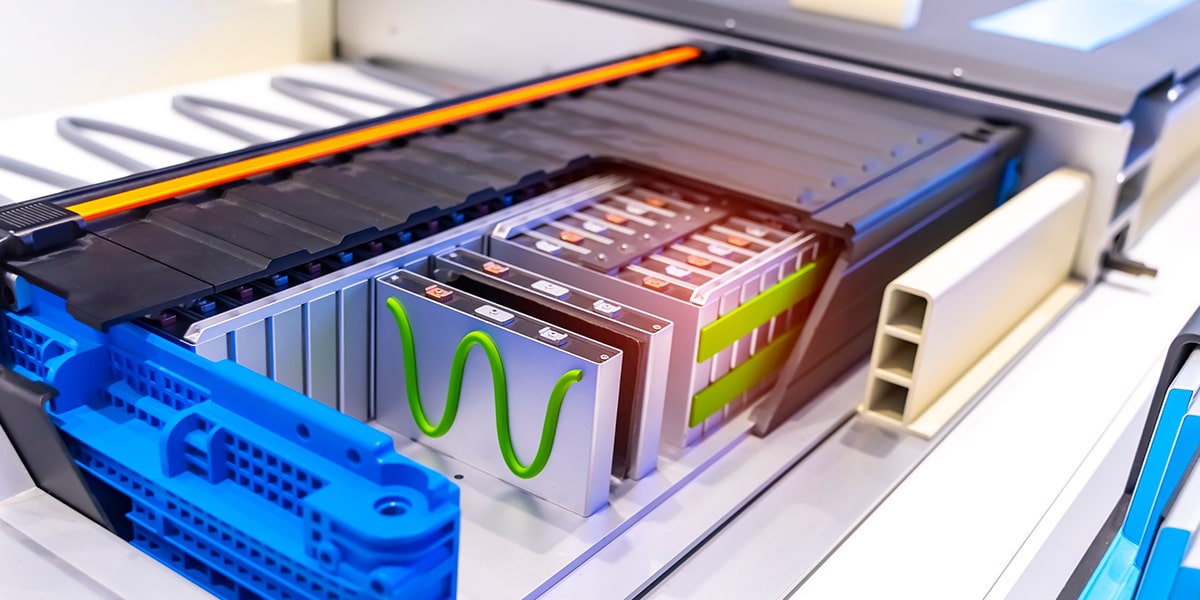
Battery system modeling and analysis
Cell level and stack level
Battery system modeling and correlation with bench tests and IR imaging
Battery characterization for degradation and performance prediction
Complete battery system modeling and performance prediction for thermal and safety
Battery thermal management/cooling system
Battery electrochemical thermal modeling
Battery CFD model
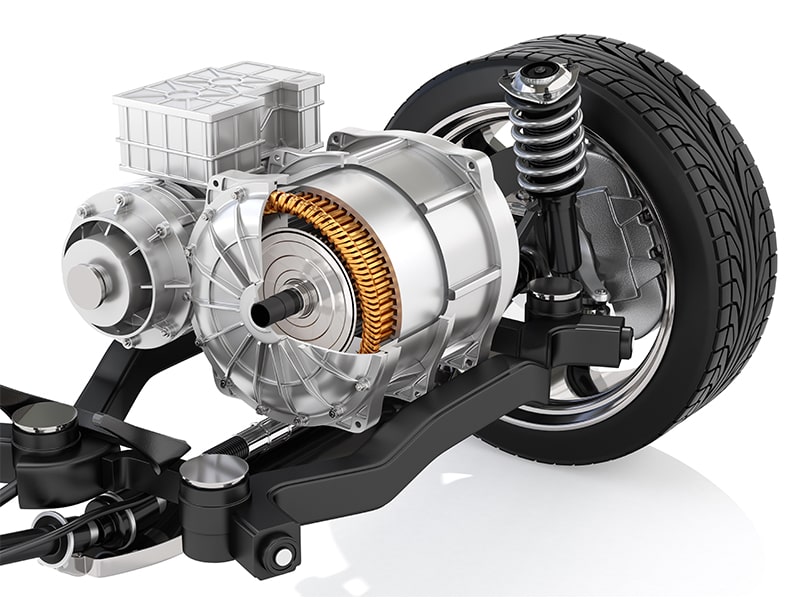
Motor Design & Analysis
System requirements
Motor design
Motor reverse engineering and Benchmarking
Motor electromagnetic performance
Motor durability
Motor thermal analysis
Motor acoustics
Math modeling and co-simulation
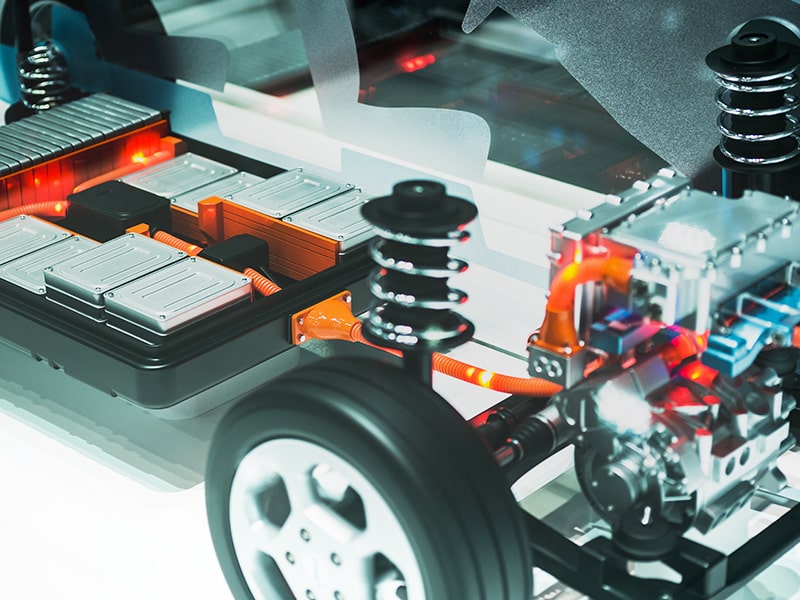
Integrated Drive Units
Modeling and structural analysis of complete drive unit
Subsystem-level modeling, analysis and optimization of gear train
Performance evaluation and optimization for parking system
Electro-magnetic and electro-mechanical aspects of motor
Weight reduction of the entire module
Services
Advanced simulations optimize the electromagnetic performance of electric motors and power electronics. This includes traction motor design, coupled control/circuit simulations, and performance evaluations to improve efficiency, reliability, and cost-effectiveness.
DEP Differentiators

Advanced Simulation-Driven Development
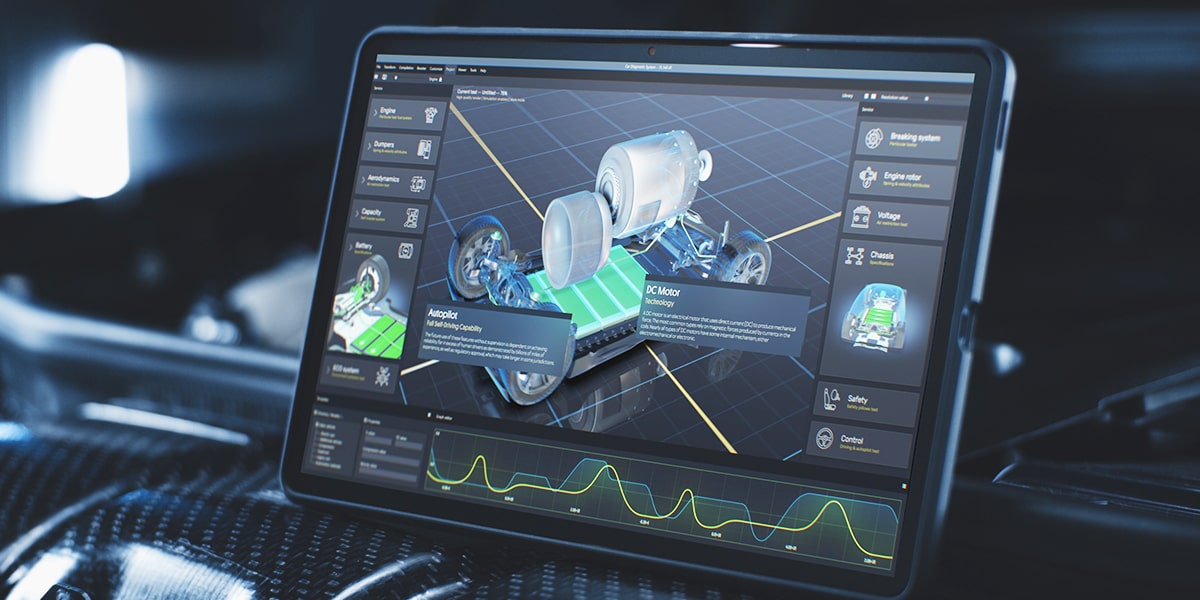
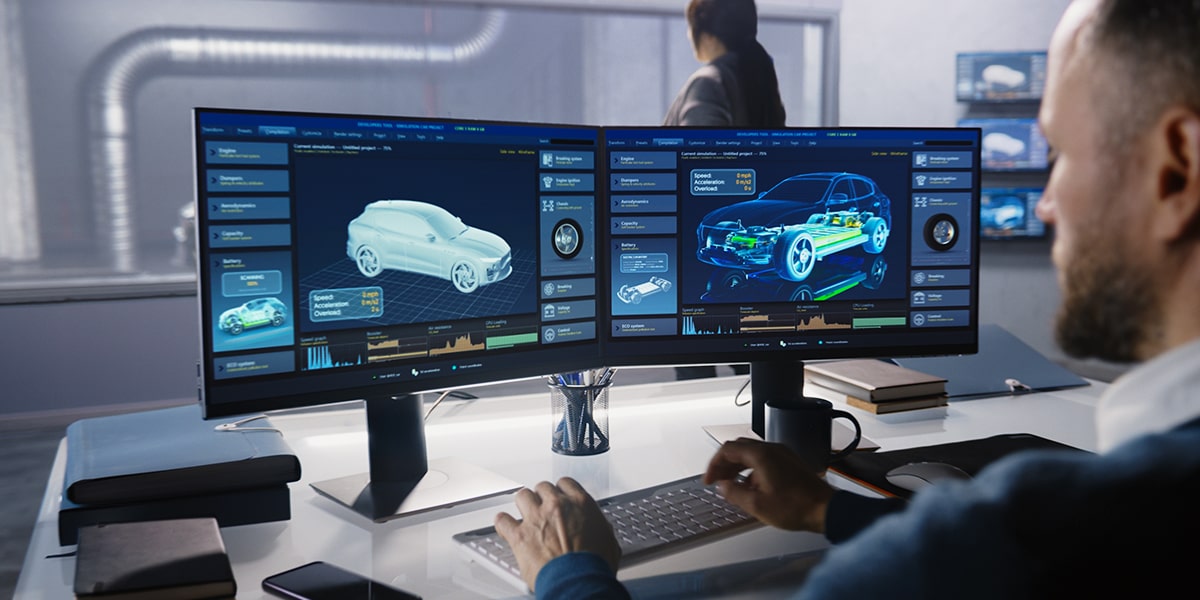
Utilization of state-of-the-art technologies, including Digital Twin, Reduced Order Modeling (ROM), and 1D/3D CFD simulations, enables rapid development and optimization of electric powertrain components. These tools facilitate the analysis of structural, thermal, and electromagnetic aspects, ensuring efficient and high-performance designs.

Comprehensive Engineering Expertise
A multidisciplinary team of specialists provides complete support across the product lifecycle. This includes battery system modeling, motor design, and integration of power electronics, ensuring tailored solutions that meet specific performance and safety requirements.

Scalable Solutions Across Vehicle Platforms
The e-powertrain solutions are designed to be scalable, accommodating a range of vehicle types from compact electric cars to heavy-duty commercial trucks. This flexibility allows for efficient adaptation to various propulsion and platform architectures, catering to diverse market needs.

Data-Driven Insights for Predictive Maintenance
Integration of AI and machine learning techniques enables predictive maintenance strategies and real-time performance optimization. By analyzing data from simulations and real-world operations, these insights help in proactive decision-making and enhancing the reliability of electric powertrain systems.
Resources
Webinar
Learn how DEP can help solve your hardest engineering challenges in Powertrain

Brochure
Advanced Powertrain Development
Blogs